Every sport speaks its own language. Hearquence understands it.
Hearquence applies sport-specific terminology, context and event models to turn spoken observations into structured real-time sports data.
- Tennis
- Golf
- MMA
- Football
- Snooker
- American Football
- Artistic Gymnastics
- Athletics: Running
- Badminton
- Baseball
- Basketball (5x5)
- Beach Volleyball
- Biathlon
- Boxing
- Canoe Sprint
- Esports: Counter-Strike 2
- Cricket
- Curling
- Darts
- Esports: Dota 2
- Esports: EA SPORTS FC
- Fencing
- Field Hockey
- Figure Skating
- Floorball
- Formula Racing
- Esports: Fortnite
- Futsal
- Handball
- Ice Hockey
- Indoor Volleyball
- Judo
- Karate
- Kickboxing
- Korfball
- Lacrosse
- Esports: League of Legends
- Esports: NBA 2K
- Netball
- Esports: Overwatch
- Padel
- Pickleball
- Polo
- Racquetball
- Road Cycling
- Rugby Sevens
- Rugby Union (15s)
- Sailing
- Softball
- Speedway
- Squash
- Table Tennis
- Taekwondo
- Track Cycling
- Triathlon
- Esports: VALORANT
- Water Polo
- Weightlifting
- Wrestling
No matching sport on this page.
Tell us which discipline you need. Hearquence adds sports on request, and every request shapes what we build next. Request a sport
57 supported · 28 in preview · 23 planned
- Sport-aware terminology Understands the terminology, participant roles and language used to describe each discipline.
- Sport-specific events Turns observations into event types designed around the structure and actions of each sport.
- Rich event context Captures participants, attributes and situational detail that give each event its full meaning.
- Early Signals Surfaces deterministic, low-latency signals before full event interpretation is complete.
Tennis
Turn live tennis observations into structured point, shot and match-state data.
Hearquence captures live tennis observations across scoring progression, ball-striking outcomes, officiating moments, interruptions and player condition. Those observations become structured records that preserve what happened and who it involved.

Beyond the event
When each observation keeps who it refers to, where it sits in the point and the score pressure around it, tennis reports become more than a sequence of winners and errors. The same rally or service action can be understood alongside calls, challenges, violations, condition notes and match phase. That depth helps distinguish routine point flow from moments shaped by pressure, interruption or player condition.
Selected events Hearquence understands
87 recognised event forms
Scoring & match flow
- Point won
- Game won
- Set won
- Match won
- Score observed
- Point context
- Point started
Serve & reception
- Ace
- Service winner
- Double fault
- Fault
- First serve
- Second serve
- Serve
- Return
- Let
Shot & outcome
- Winner
- Forced error
- Unforced error
- Net error
- Long error
- Wide error
- Rally shot
Officiating & session
- Line call
- Challenge
- Time violation
- Code violation
- Correction
- Play suspended
- Play resumed
- Changeover
Player & court condition
- Player ready
- Receiver ready
- Environment observation
- Medical attention
- Medical timeout
- Injury observation
- Fatigue observation
- Movement degradation observation
Rich event context
Tennis events can include shot characteristics, court placement, serve details, score state and participant roles.
- Player identity
- Opponent identity
- Point winner
- Player role
- Stroke and spin
- Shot direction
- Landing and call result
- Court zone and depth
- Serve attempt and side
- Score phrase and match phase
Early signals
Deterministic, low-latency signals surfaced before full AI interpretation.
- Ace
- Break point
- Challenge
- Code violation
- Double fault
- Injury
- Medical timeout
- Score change
- Stoppage
- Time violation
- and 9 more
Useful for latency-sensitive workflows such as live alerting, trading controls or temporary market suspension while an outcome is being confirmed.
What Hearquence captures
- Capture point, game, set and match outcomes with the observed score state.
- Structure serves, returns, rally shots and shot results with placement, landing and serve details.
- Attach player roles and identities to observations such as winners, errors, challenges and violations.
- Flag early signals around break points, medical timeouts, injuries, stoppages and score changes.
What this enables
- Build a live timeline of points, changeovers, suspensions and resumptions.
- Review serve and rally patterns by stroke, spin, direction, landing and depth.
- Monitor player condition observations alongside medical attention, fatigue and movement degradation.
- Surface officiating and scoring moments such as challenges, line calls, violations and score changes.
Golf
Capture the context behind every golf score, shot and ruling as play unfolds.
Hearquence can capture structured observations across competition flow, hole scoring, shot execution, lies, relief, rulings, conditions and player status. It turns spoken notes from stroke play, match play and playoffs into consistent data tied to golfers, sides and match state.

Beyond the event
Golf observations gain value when a score change, shot result or ruling is tied to the hole, player, form of play and surrounding strokes. Preserving lie, relief, penalty and match-play details helps separate routine scoring movement from the circumstances that caused it.
Selected events Hearquence understands
175 recognised event forms
Scoring & leaderboard
- Competition started
- Competition ended
- Competition won
- Playoff started
- Playoff won
- Score observed
- Score to par observed
- Leader observed
- Leaderboard position observed
- Cut made
Hole scoring & match play
- Hole in one
- Eagle
- Birdie
- Par
- Bogey
- Double bogey
- Hole won
- Hole halved
- Match all square
- Match won
Shot making & putting
- Stroke played
- Tee shot
- Approach shot
- Layup shot
- Punch shot
- Chip shot
- Pitch shot
- Bunker shot
- Recovery shot
- Putt attempt
Lie & shot result
- Fairway hit
- Fairway missed left
- Fairway missed right
- Green in regulation
- Green missed
- Rough lie
- Deep rough lie
- Bunker lie
- Shot into bunker
- Shot into penalty area
Rules, relief & rulings
- Ball out of bounds
- Ball lost
- Ball unplayable
- Provisional ball announced
- Provisional ball played
- Penalty area relief taken
- Drop taken
- Penalty stroke assessed
- Wrong ball played
- Referee ruling
Equipment, conditions & stoppages
- Club selected
- Club changed
- Club damaged
- Ball changed
- Environment observation
- Play suspended
- Play resumed
- Weather delay started
- Injury observation
- Medical assistance
Rich event context
Structured golf events can include score, hole, stroke, lie, rules and participant details when they are observed.
- Form of play
- Hole and par
- Stroke and penalty counts
- Leaderboard position
- Hole score classification
- Shot type and shape
- Shot outcome and course area
- Relief and rules detail
- Match-play status
- Player, opponent and team roles
Early signals
Deterministic, low-latency signals surfaced before full AI interpretation.
- Birdie
- Eagle
- Hole in one
- Penalty
- Out of bounds
- Lost ball
- Penalty area
- Provisional ball
- Rules ruling
- Play stoppage
- and 8 more
Useful for latency-sensitive workflows such as live alerting, trading controls or temporary market suspension while an outcome is being confirmed.
What Hearquence captures
- Capture competition, playoff, round, scoring and leaderboard observations as structured golf data.
- Structure shot types, putts, lies and shot outcomes with the golfer and hole they relate to.
- Track relief procedures, penalties, rules questions and official rulings when they are stated.
- Connect observations to players, opponents, teams and match-play roles in supported formats.
What this enables
- Build live structured logs across stroke play, match play and playoffs.
- Review scoring movement alongside the shot, lie and penalty context around it.
- Surface early signals for standout scores, penalties, provisional balls, rulings and stoppages.
- Preserve rules, relief and correction details for post-round review.
MMA
Turn fast-changing MMA exchanges into structured observations as the fight unfolds.
Hearquence Scout captures the standing, clinch and ground phases of an MMA bout alongside official pauses, discipline and outcomes. Observations are structured while staying connected to the fighters and fight state.

Beyond the event
In MMA, the same action can carry different meaning depending on phase, position, round time and the fighter involved. Preserving those circumstances helps separate isolated moments from sequences that show momentum, control, damage or finishing danger. Linking surrounding actions also makes corrections, stoppages and decisions easier to interpret after the bout.
Selected events Hearquence understands
169 recognised event forms
Fight flow
- Fight started
- Round started
- Round ended
- Fight ended
- Timeout started
- Fight resumed
Technique & action
- Strike landed
- Significant strike landed
- Punch landed
- Kick landed
- Knee landed
- Elbow landed
- Strike missed
- Strike blocked
- Knockdown
- Rocked observation
Grappling & control
- Takedown attempt
- Takedown landed
- Takedown stuffed
- Reversal
- Sweep
- Clinch started
- Clinch ended
- Position established
- Ground and pound
Submissions & escapes
- Submission attempt
- Submission locked
- Submission escape
- Tap out
- Technical submission
Officiating, medical & corrections
- Injury observation
- Medical check
- Foul
- Warning
- Point deduction
- Correction
Stoppages & results
- KO
- TKO
- Referee stoppage
- Doctor stoppage
- Corner stoppage
- Unanimous decision
- Split decision
- Majority decision
- Draw
- Scorecard readout
Rich event context
MMA events can include technique, target, position, timing, phase, scoring, penalty and fighter-reference details.
- Strike detail
- Takedown technique
- Ground position and control
- Submission technique
- Foul and penalty detail
- Stoppage mechanism
- Decision and scorecard detail
- Round and clock reference
- Fight phase and area position
- Fighter roles and opponent links
Early signals
Deterministic, low-latency signals surfaced before full AI interpretation.
- Knockdown
- Knockout
- Technical knockout
- Submission
- Takedown
- Injury
- Medical check
- Foul
- Point deduction
- Stoppage
- and 6 more
Useful for latency-sensitive workflows such as live alerting, trading controls or temporary market suspension while an outcome is being confirmed.
What Hearquence captures
- Structure observations across standing exchanges, clinch work, ground control, submissions and official outcomes.
- Attach fighter references, timing, phase, position and technique context to captured events.
- Surface early signals for damage, submissions, takedowns, medical checks, fouls, deductions and stoppages.
- Preserve corrections, scorecard readouts and decision details alongside the surrounding fight state.
What this enables
- Build a live structured record of key MMA actions and results.
- Review fighter sequences by phase, position and participant after a bout.
- Track moments that may indicate injury, finishing danger, discipline or stoppage risk.
- Connect official decisions, scorecards and stoppages to the events that preceded them.
Football
Turn live football observations into structured match intelligence as the game unfolds.
Hearquence can capture attacking actions, restarts, discipline, stoppages, match phases and player condition, then structure them with team, player and field context. The result is a richer record of what happened and who was involved.

Beyond the event
When each observation keeps the phase, score, field area, side, outcome and participant links, teams can distinguish a blocked shot from a saved chance or a routine restart from a decision that changed the sequence. Relating substitutions, injuries, cards and VAR decisions to surrounding actions gives analysts a clearer view of momentum, availability and discipline across the match.
Selected events Hearquence understands
91 recognised event forms
Scoring & chances
- Goal scored
- Own goal
- Penalty scored
- Penalty missed
- Shot on target
- Shot off target
- Shot blocked
- Assist
- Cross
Restarts & set pieces
- Penalty awarded
- Corner awarded
- Free kick awarded
- Throw-in awarded
- Goal kick awarded
- Kickoff
- Offside
Defending & possession
- Possession observation
- Save
- Clearance
- Tackle won
- Interception
Officiating & discipline
- Foul committed
- Yellow card
- Red card
- Second yellow red card
- VAR review
- VAR overturn
- Correction
Stoppages & player condition
- Substitution
- Injury observation
- Medical treatment
- Play stopped
- Play resumed
- Environment observation
Match flow
- Score observed
- Halftime started
- Second half started
- Extra time started
- Penalties started
- Full time
- Match won
Rich event context
Structured football events can include player, team, location, phase, outcome, restart and discipline details.
- Players involved
- Teams involved
- Replacement player
- Shot or finishing type
- Body part
- Field area and side
- Set-piece or restart type
- Action outcome
- Discipline and foul type
- Match phase and score
Early signals
Deterministic, low-latency signals surfaced before full AI interpretation.
- Goal
- Penalty
- Red card
- VAR review
- Injury
- Medical treatment
- Substitution
- Score change
- Stoppage
- Foul
- and 8 more
Useful for latency-sensitive workflows such as live alerting, trading controls or temporary market suspension while an outcome is being confirmed.
What Hearquence captures
- Structure goals, shots, penalties and assists with player, team and outcome context.
- Capture restarts, set pieces, offsides, fouls, cards and VAR decisions as distinct match events.
- Relate possession and defensive actions to the field area, side, participants and result of the action.
- Surface early live signals for major scoring, discipline, stoppage and player-condition moments.
What this enables
- Build a structured live match log from observed football actions and decisions.
- Review attacking sequences, shot outcomes and defensive interventions with consistent context.
- Track discipline, VAR activity, stoppages and player condition across the match timeline.
- Connect score changes, match phases and participant involvement for post-match analysis.
Snooker
Preserve the frame-by-frame story of snooker as live observations become structured data.
Hearquence can capture scoring visits, tactical exchanges, officiating calls, session flow and player condition for snooker. Those observations become structured records tied to the relevant player and match situation.

Beyond the event
When a snooker observation keeps its table state, break value and participant attribution, each shot sits inside the pressure of the current visit rather than standing alone. Hearquence can relate scoring runs, safety exchanges, fouls and stoppages to the player at the table, the incoming player and the wider frame situation.
Selected events Hearquence understands
95 recognised event forms
Scoring & break building
- Points scored
- Red potted
- Colour potted
- Ball potted
- Break started
- Break updated
- Break ended
- Half-century break
- Century break
- Maximum break
Shot making & safety
- Pot missed
- Long pot
- Plant pot
- Double pot
- Cannon
- Safety shot
- Snooker laid
- Snooker escaped
- Failed snooker escape
Fouls & penalties
- Foul
- Foul points awarded
- Cue ball in-off
- Wrong ball first
- No ball hit
- Ball off table
- Push-shot foul
- Double-hit foul
Rules, calls & table state
- Touching ball
- Miss called
- Ball replaced
- Re-spot
- Warning
- Unsporting conduct
- Correction
Frame & match outcomes
- Frame-ball context
- Frame won
- Match won
- Frame conceded
- Match conceded
- Score observed
- Reds remaining observed
- Clearance started
- Clearance completed
- Re-spotted black started
Session & player condition
- Session started
- Session ended
- Interval
- Play suspended
- Play resumed
- Medical attention
- Medical break
- Injury observation
Rich event context
Structured snooker events can carry shot, scoring, table-state, match-phase and player-attribution details.
- Ball involved
- Points awarded
- Break value
- Reds remaining
- Shot type
- Cue-ball control
- Foul type
- Shot or visit outcome
- Match phase
- Player, opponent and point-winner attribution
Early signals
Deterministic, low-latency signals surfaced before full AI interpretation.
- Frame decision
- Match decision
- Century chance
- Maximum-break chance
- Foul risk
- Miss call
- Free-ball situation
- Snooker pressure
- Concession
- Score change
- and 3 more
Useful for latency-sensitive workflows such as live alerting, trading controls or temporary market suspension while an outcome is being confirmed.
What Hearquence captures
- Capture scoring visits, pots, misses, safety exchanges, fouls and frame outcomes as structured observations.
- Attach player attribution, shot context, table state, break values and reds remaining to supported events.
- Track session flow, stoppages, medical observations and corrections alongside play.
- Surface early signals around frame decisions, high breaks, fouls, snookers, concessions and score changes.
What this enables
- Build live scouting logs of breaks, pots, safety exchanges, foul calls and outcomes.
- Review how scoring visits and frame-winning opportunities developed across a frame.
- Track foul, miss, free-ball, snooker and concession signals as they emerge.
- Maintain session records with stoppages, medical notes and corrections tied to players.
American Football
Turn live football observations into structured down, distance, scoring and review data.
Hearquence can capture the flow of American football from game state and scrimmage plays to scoring, kicking, penalties, reviews and player condition. Observations are structured with the circumstances and participants needed to understand each moment.

Beyond the event
Preserving the situation around each observation makes a fourth-down attempt, red-zone entry or turnover meaningful beyond the label alone. When events are linked to down, distance, ball spot, period, clock, teams and player roles, teams can reconstruct how drives changed and why decisions mattered. That depth also helps separate routine play flow from high-impact moments such as reviews, injuries, penalties and possession changes.
Selected events Hearquence understands
182 recognised event forms
Down & field position
- Game started
- Quarter started
- Game clock observed
- Possession observed
- Down and distance observed
- Ball spot observed
- Snap
- Down started
- First down achieved
- Red-zone entry
Run & pass play
- Rush attempt
- Rush gain
- Rush loss
- Quarterback scramble
- Quarterback kneel
- Quarterback sneak
- Pass attempt
- Pass completed
- Pass incomplete
- Reception
Defending & possession
- Sack
- Sack yards lost
- Quarterback hit
- Pass defended
- Interception
- Interception return
- Pick six
- Fumble
- Forced fumble
- Fumble recovered
Scoring & tries
- Touchdown scored
- Rushing touchdown
- Receiving touchdown
- Return touchdown
- Field-goal attempt
- Field goal scored
- Field goal missed
- Extra-point attempt
- Two-point conversion attempt
- Safety scored
Restarts & kicking game
- Kickoff
- Kickoff return
- Kickoff return yards
- Touchback
- Onside-kick attempt
- Onside kick recovered
- Punt
- Punt return
- Fair catch
- Punt blocked
Officiating & player condition
- Penalty flag
- Penalty accepted
- Penalty declined
- Defensive pass interference
- Roughing the passer
- Player disqualified
- Team timeout
- Instant-replay review
- Injury observation
- Medical assistance
Rich event context
Structured football events can carry situational, participant and ruling details specific to the play.
- Play type
- Down and distance
- Yardage
- Field position
- Ball spot
- Turnover type
- Scoring play type
- Penalty details
- Period and game clock
- Review outcome
Early signals
Deterministic, low-latency signals surfaced before full AI interpretation.
- Touchdown
- Field goal
- Safety
- Turnover
- Interception
- Fumble
- Fourth down
- Red zone
- Penalty
- Injury
- and 10 more
Useful for latency-sensitive workflows such as live alerting, trading controls or temporary market suspension while an outcome is being confirmed.
What Hearquence captures
- Capture live game flow with period, clock, possession, down, distance and ball-spot observations.
- Structure offensive, defensive and special-teams actions with explicit yardage and participant roles where observed.
- Connect scoring, turnovers, penalties and reviews to the surrounding match state.
- Record stoppages, player-condition observations and corrections without losing the sequence of play.
What this enables
- Build a searchable record of each drive and its key changes in field position, possession and score.
- Flag high-leverage situations such as fourth downs, red-zone moments, turnovers and injuries as they are observed.
- Support post-game review of penalties, replay outcomes and scoring sequences.
- Preserve structured context for player- and team-linked observations across runs, passes, kicks and returns.
Artistic Gymnastics
Capture the routine context behind every artistic gymnastics score.
Hearquence captures the judged performance, scoring movement and competition flow of artistic gymnastics as structured data. Observations can stay connected to the gymnast, team, apparatus and phase they describe.

Beyond the event
When routine circumstances are preserved, a final score can be read alongside the elements, deductions, landing outcomes and review activity that shaped it. Relating observations to gymnasts, teams, apparatus and rotations makes qualification, final progression and team totals easier to follow as they change.
Selected events Hearquence understands
165 recognised event forms
Routine & competition flow
- Competition started
- Qualification started
- Team final started
- All-around final started
- Apparatus final started
- Rotation started
- Subdivision started
- Warm-up started
- Gymnast presented
- Gymnast saluted
Routine & elements
- Routine started
- Routine completed
- Mount performed
- Dismount performed
- Element performed
- Connection performed
- Element difficulty observed
- Element not recognized
- Element downgraded
- Element repeated
Scoring & review
- Difficulty score observed
- Execution score observed
- Final score observed
- All-around total observed
- Team total observed
- Rank observed
- Qualified to final
- Reserve for final
- Inquiry submitted
- Score changed after inquiry
Landings & execution
- Fall
- Near fall
- Large step landing
- Small step landing
- Landing hop
- Stuck landing
- Landing squat
- Landing touch down
- Landing fall
- Out of bounds
Apparatus skills
- Floor tumbling pass started
- Floor dance passage
- Pommel circle
- Rings strength hold
- Vault run started
- Vault performed
- Horizontal bar release
- Uneven bars transition
- Beam acrobatic series
- Beam wobble
Stoppages & gymnast condition
- Routine interrupted
- Routine resumed
- Injury observation
- Medical assistance
- Routine stopped for injury
- Withdrawal
- Apparatus fault observed
- Competition delay started
- Competition resumed
- Correction
Rich event context
Attach apparatus, phase, scoring, review and participant details to each structured gymnastics observation.
- Division
- Apparatus
- Competition phase
- Rotation and subdivision
- Score component and value
- Deduction amount
- Rank or classification
- Element difficulty
- Landing and execution details
- Gymnast and team role
Early signals
Deterministic, low-latency signals surfaced before full AI interpretation.
- Fall
- Landing error
- Routine complete
- Score change
- Neutral deduction
- Inquiry
- Apparatus result
- Qualification
- Injury
- Stoppage
- and 3 more
Useful for latency-sensitive workflows such as live alerting, trading controls or temporary market suspension while an outcome is being confirmed.
What Hearquence captures
- Structure routine flow, element credit and scoring observations by gymnast, team, apparatus and phase.
- Preserve landing, execution and deduction detail alongside routine status and score components.
- Capture inquiries, review outcomes, score changes and progression results across qualification and finals.
- Surface early signals for falls, injury, stoppages, qualifications and score changes.
What this enables
- Live apparatus and all-around reporting
- Team final rotation monitoring
- Inquiry and score-change review
- Post-competition routine and execution analysis
Athletics: Running
Turn live running observations into structured race intelligence from the start line to the finish.
Hearquence captures the flow of track-running competition across race setup, movement, technical disciplines, relays, timing, results and officiating. It turns those observations into structured data tied to the relevant athlete, team and race situation.

Beyond the event
In running, the same observation can mean different things depending on the round, heat, lane, race phase, wind or relay leg. Preserving that surrounding state helps connect splits, finishes, infringements, qualifications and record implications to the right participants as the race develops.
Selected events Hearquence understands
199 recognised event forms
Competition & qualification flow
- Competition started
- Round started
- Heat started
- Heat ended
- Race won
- Relay won
- Event won
- Qualified by place
- Qualified by time
- Classification finalized
Start sequence & line
- Athletes called to start
- Lane assignment observed
- Starting blocks observed
- On your marks called
- Set called
- Start signal fired
- Valid start observed
- Start recalled
- False start observed
- Reaction time observed
Race flow
- Pace observed
- Pace increased
- Surge started
- Attack started
- Breakaway established
- Pack observed
- Athlete moved to front
- Athlete boxed in
- Athlete found gap
- Final kick started
Finish, timing & records
- Finish line approached
- Torso crossed finish
- Photo finish required
- Photo finish decision observed
- Dead heat observed
- Time observed
- Split time observed
- Leader split observed
- Personal best observed
- Wind reading observed
Hurdles & steeplechase
- Hurdles race started
- Hurdle approached
- Hurdle cleared
- Hurdle contact observed
- Hurdle stride pattern observed
- Steeplechase started
- Steeple barrier approached
- Water jump approached
- Water jump cleared
- Steeple obstacle bypassed
Relay exchanges
- Relay started
- Relay order observed
- Relay leg started
- Takeover zone entered
- Baton exchange started
- Baton exchange completed
- Early baton exchange
- Baton dropped
- Baton recovered legally
- Relay split observed
Rich event context
Structured running events can carry race setup, timing, wind, placing, decision and participant details.
- Discipline, distance and track configuration
- Round and heat
- Lane or start position
- Time, split and reaction detail
- Wind reading and validity
- Pace and race phase
- Placing, result and qualification status
- Official decision detail
- Athlete, team and opponent references
- Runner roles, relay legs and obstacle detail
Early signals
Deterministic, low-latency signals surfaced before full AI interpretation.
- False start
- Lane infringement
- Obstruction
- Finish
- Qualification
- Record
- Hurdle incident
- Baton exchange
- Baton drop
- Injury
- and 9 more
Useful for latency-sensitive workflows such as live alerting, trading controls or temporary market suspension while an outcome is being confirmed.
What Hearquence captures
- Structure starts, race phases, splits, finishes and official results as live observations.
- Attach race context such as discipline, round, heat, lane, timing, wind and participant roles.
- Flag early signals around starts, lane issues, obstruction, hurdling, relay exchanges, injuries and finishes.
- Connect relay legs, baton exchanges, hurdle or steeplechase obstacles and qualification outcomes to the relevant athlete or team.
What this enables
- Build live race logs for heats, rounds and finals.
- Review start incidents, lane issues, obstruction and official decisions.
- Track qualification, placing, records and corrected results across rounds.
- Monitor relay exchanges, baton drops and obstacle incidents with participant context.
Badminton
Turn fast badminton rallies, service decisions and match-state changes into structured live data.
Hearquence Scout captures badminton observations from rally play and service patterns through reviews, interruptions, discipline and player condition. Spoken observations become structured events connected to match and participant context.

Beyond the event
Fast rallies are easier to review when each observation keeps the surrounding match state and the participant it refers to. Relating shot outcomes to service roles, court placement and nearby stoppages helps distinguish clean attacking patterns from errors created under pressure.
Selected events Hearquence understands
85 recognised event forms
Scoring & match flow
- Point won
- Game won
- Match won
- Score observed
- Game started
- Match started
- Point pressure context
Serve & reception
- Serve
- Service fault
- Receive
- Short serve
- Flick serve
- High serve
- Serve order observed
- Receiver order observed
Shot & outcome
- Rally shot
- Smash winner
- Net kill
- Winner
- Forced error
- Unforced error
- Net error
- Long error
- Wide error
Officiating & discipline
- Line call
- Challenge
- Successful challenge
- Unsuccessful challenge
- Warning
- Fault
- Yellow card
- Red card
- Black card
- Penalty point
Session & player condition
- Warm-up started
- Warm-up completed
- Player ready
- Interval
- Side change
- Participant timeout
- Play suspended
- Play resumed
- Injury observation
- Medical break
Rich event context
Attach badminton-specific shot, serve, placement, landing, score and participant-role details to each structured event.
- Stroke type
- Playing side
- Shuttle spin or slice
- Shuttle placement and court zone
- Shuttle trajectory
- Landing result
- Stroke or rally outcome
- Serve type and service court
- Match phase and spoken score
- Participant role and opponent reference
Early signals
Deterministic, low-latency signals surfaced before full AI interpretation.
- Point
- Game
- Match
- Service fault
- Let
- Challenge
- Injury concern
- Medical break
- Penalty
- Stoppage
- and 5 more
Useful for latency-sensitive workflows such as live alerting, trading controls or temporary market suspension while an outcome is being confirmed.
What Hearquence captures
- Convert rally outcomes, service observations and score statements into structured badminton events.
- Link observations to player roles such as server, receiver, near side or far side.
- Attach shot, placement, landing, serve and match-phase context when it is spoken.
- Flag early signals for reviews, faults, injuries, penalties and stoppages.
What this enables
- Build live rally logs that preserve who won points, games and the match.
- Review serve patterns and service faults with role and service-court context.
- Analyse winners, errors and shuttle placement across rally sequences.
- Monitor interruptions, medical moments and disciplinary changes during a match.
Baseball
Capture each pitch, plate appearance and inning swing as structured baseball data.
Hearquence can structure live observations across game state, pitch outcomes, batting results, baserunning, fielding, reviews, substitutions and player condition. It preserves the shape of the moment without reducing baseball to only the final score.

Beyond the event
Baseball observations become more useful when they retain the count, outs, inning, base state and people involved. A pitch, hit, review or substitution can be understood in relation to the surrounding plate appearance and game phase, making the sequence of pressure moments easier to review and act on.
Selected events Hearquence understands
185 recognised event forms
Match flow
- Game started
- Game ended
- Game won
- Game tied
- Extra innings started
- Inning started
- Half-inning started
- Half-inning ended
- Score observed
- Outs observed
Plate appearance & pitch context
- Plate appearance started
- Pitch thrown
- Called ball
- Called strike
- Swinging strike
- Foul ball
- Foul tip
- Pitch in play
- Strikeout
- Walk
Pitch types & velocity
- Fastball thrown
- Sinker thrown
- Cutter thrown
- Slider thrown
- Curveball thrown
- Changeup thrown
- Splitter thrown
- Sweeper thrown
- Knuckleball thrown
- Pitch velocity observed
Batting & run scoring
- Hit
- Single
- Double
- Triple
- Home run
- Grand slam
- Inside-the-park home run
- Run scored
- RBI observed
- Walk-off home run
Baserunning & fielding
- Runner advanced
- Stolen base attempt
- Stolen base
- Caught stealing
- Pickoff attempt
- Picked off
- Catch made
- Throwing error
- Fielding error
- Double play
Reviews, changes & player condition
- Replay review
- Manager challenge
- Review upheld
- Review overturned
- Pitching change
- Pinch hitter entered
- Defensive substitution
- Injury observation
- Medical assistance
- Correction
Rich event context
Structured baseball events can carry game state, pitch detail, participant roles and review information.
- Ruleset
- Inning and half-inning
- Outs and count
- Score
- Base occupancy
- Runs credited
- Pitch type and result
- Batted ball and hit type
- Review outcome
- Player, team and role attribution
Early signals
Deterministic, low-latency signals surfaced before full AI interpretation.
- Run
- Home run
- Hit
- Strikeout
- Walk
- Stolen base
- Caught stealing
- Error
- Pitching change
- Review
- and 10 more
Useful for latency-sensitive workflows such as live alerting, trading controls or temporary market suspension while an outcome is being confirmed.
What Hearquence captures
- Structure pitch-by-pitch observations with count, outs, base state and participant attribution.
- Connect plate appearances to batting results, run scoring, baserunning and fielding outcomes.
- Track game flow across innings, half-innings, extra innings, score observations and final results.
- Capture supported reviews, substitutions, player condition updates and corrections alongside play events.
What this enables
- Build a searchable record of live baseball observations by inning, plate appearance and participant.
- Review scoring sequences with the surrounding count, outs, base state and team context preserved.
- Monitor early signals for runs, home runs, strikeouts, steals, errors, reviews and pitching changes.
- Support post-game workflows with structured events for substitutions, reviews, injuries and corrections.
Basketball (5x5)
Capture basketball observations as structured game intelligence from tipoff to final horn.
Hearquence can capture live basketball observations across scoring actions, possession changes, fouls, violations, reviews, substitutions and stoppages. It turns spoken game state and participant references into structured data tied to the play.

Beyond the event
Basketball observations gain value when shots, fouls and turnovers stay connected to the clock, period, score, shot clock and team-foul state. By preserving who was involved and the surrounding sequence, Hearquence makes it easier to distinguish transition scores, second chances, reviews, penalties and player-exclusion moments.
Selected events Hearquence understands
164 recognised event forms
Match flow
- Game started
- Quarter started
- Quarter ended
- Halftime started
- Overtime started
- Game ended
- Game won
- Score observed
- Game clock observed
- Shot clock observed
Scoring & chances
- Field goal attempt
- Two-point made
- Three-point made
- Layup attempt
- Layup made
- Dunk made
- Shot missed
- Shot blocked
- Buzzer-beater made
- Free throw made
Defending & possession
- Rebound
- Offensive rebound
- Defensive rebound
- Team rebound
- Assist
- Steal
- Turnover
- Bad pass turnover
- Lost ball turnover
- Team turnover
Transition & second chances
- Fast break started
- Fast break score
- Second-chance score
- Putback made
- And-one
- Free throw awarded
- Free throw attempt
- Free throw missed
- Goaltending
- Basket interference
Officiating & discipline
- Shooting foul
- Personal foul
- Offensive foul
- Blocking foul
- Illegal screen foul
- Loose-ball foul
- Technical foul
- Unsportsmanlike foul
- Disqualifying foul
- Fifth foul
Violations, reviews & stoppages
- Travelling violation
- Double-dribble violation
- Shot-clock violation
- Backcourt violation
- Out of bounds
- Timeout
- Substitution
- Instant-replay review
- Injury observation
- Medical assistance
Rich event context
Structured basketball events can include scoring, shot, clock, phase, foul, violation, review and participant attribution details.
- Scoring value
- Shot type and result
- Offensive phase
- Foul, violation and sanction type
- Free-throw award count
- Team-foul count
- Period and match phase
- Game and shot clock
- Review outcome
- Participant roles and team attribution
Early signals
Deterministic, low-latency signals surfaced before full AI interpretation.
- Basket
- Three-pointer
- And-one
- Free throw
- Shooting foul
- Technical foul
- Foul out
- Team penalty
- Shot clock
- Injury
- and 11 more
Useful for latency-sensitive workflows such as live alerting, trading controls or temporary market suspension while an outcome is being confirmed.
What Hearquence captures
- Structure live shots, free throws, rebounds, assists, steals and turnovers with player and team attribution.
- Attach period, clock, score, shot-clock and match-phase context to basketball observations.
- Represent fouls, violations, sanctions, team-foul state and free-throw awards as structured events.
- Capture reviews, substitutions, timeouts, suspensions, resumptions and player-condition observations in the same game record.
What this enables
- Build a structured live log of scoring, possession changes and game-flow moments.
- Review how offensive phases, rebounds and turnovers connect to scoring outcomes.
- Track foul accumulation, penalty situations, exclusions and review outcomes.
- Preserve stoppage, substitution and player-condition context alongside the surrounding play.
Beach Volleyball
Turn beach volleyball observations into structured rally, context and condition data.
Hearquence can capture live beach volleyball observations across scoring, serve-receive play, attacks, blocks, defensive actions, rulings, stoppages and environmental notes. It turns what is reported during play into structured data tied to the match state and participants involved.

Beyond the event
Beach volleyball observations gain value when the rally action is preserved alongside court location, direction, outcome, score and phase. Linking actions to players, teams and roles makes it easier to separate execution, decision points, rulings and conditions that shaped each point. Environmental and stoppage details add the match circumstances needed to understand why rallies changed momentum.
Selected events Hearquence understands
113 recognised event forms
Scoring & match flow
- Point won
- Set won
- Match won
- Score observed
- Set point context
- Match point context
- Set started
- Match started
- Side switch
- Timeout
Serve & reception
- Serve
- Ace
- Service error
- Reception
- Reception error
Attack & setting
- Set action
- Attack
- Kill
- Attack error
- Shot
- Cut shot
- Pokey
- Roll shot
- Free ball
Blocking & defence
- Block attempt
- Block point
- Block touch
- Dig
- Defensive error
Calls, challenges & discipline
- Net violation
- Center line interference
- Double contact
- Lift or carry
- Four hits
- Illegal attack
- Touch call
- Challenge
- Successful challenge
- Unsuccessful challenge
Conditions, stoppages & care
- Technical timeout
- Play suspended
- Play resumed
- Wind observation
- Sun observation
- Environment observation
- Injury observation
- Medical assistance
- Delay warning
- Delay penalty
Rich event context
Structured events can carry beach-volleyball details about action quality, court reference, outcome, score state, participants and conditions.
- Action type
- Direction
- First-contact quality
- Fault type
- Outcome
- Court zone
- Ball landing
- Environmental condition
- Match phase
- Players and teams involved
Early signals
Deterministic, low-latency signals surfaced before full AI interpretation.
- Point
- Set
- Match
- Ace
- Service error
- Challenge
- Injury
- Penalty
- Stoppage
- Weather
- and 6 more
Useful for latency-sensitive workflows such as live alerting, trading controls or temporary market suspension while an outcome is being confirmed.
What Hearquence captures
- Structure rally outcomes across points, sets and matches.
- Capture serve, receive, setting, attacking, blocking and defensive observations with player and team roles.
- Attach court, direction, landing, outcome, score and environmental context when stated.
- Flag early signals around challenges, injuries, penalties, stoppages, weather and corrections.
What this enables
- Build live beach volleyball logs with actions, rulings and match flow connected to the right team or player.
- Review serve-receive, attacking, blocking and defensive observations by role, direction and court area.
- Track high-pressure phases such as set point and match point with the surrounding rally context.
- Surface operational signals for challenges, injuries, penalties, stoppages and weather conditions.
Biathlon
Capture every ski, range and penalty moment as structured biathlon data.
Hearquence turns live biathlon observations into structured data across race flow, skiing dynamics, shooting execution, relay exchanges, penalties, reviews, conditions and athlete care.

Beyond the event
Biathlon observations gain value when a miss, split or gap is tied to the lap, bout, lane, participant and race phase around it. Preserving relay legs, penalties, conditions and official decisions helps separate isolated incidents from race-shaping sequences.
Selected events Hearquence understands
203 recognised event forms
Competition & race flow
- Competition started
- Competition ended
- Race started
- Race ended
- Race won
- Team race won
- Competition won
- Race format observed
- Athlete started
- Team started
Splits & pace
- Position observed
- Classification position observed
- Leader observed
- Gap observed
- Elapsed time observed
- Finish time observed
- Split time observed
- Distance remaining observed
- Ski split observed
- Ski speed observed
Ski course & movement
- Skiing started
- Ski lap started
- Ski lap completed
- Course section observed
- Climb started
- Climb completed
- Descent started
- Descent completed
- Overtake observed
- Attack on course observed
Shooting & range
- Shooting range approach
- Shooting range entered
- Shooting lane selected
- Shooting mat reached
- Shooting bout started
- Prone shooting started
- Standing shooting started
- Shot fired
- Target hit
- Target missed
Relay flow
- Relay leg started
- Relay leg completed
- Exchange zone approach
- Relay exchange started
- Relay exchange completed
- Relay exchange missed
- Relay position observed
- Relay gap observed
- Anchor leg started
- Relay finish line crossed
Rules, status & review
- DNS observed
- DNF observed
- DSQ observed
- Withdrawal observed
- Course violation observed
- Wrong shooting lane observed
- Crossfire observed
- Rifle handling violation observed
- Jury review started
- Protest filed
Rich event context
Structured biathlon events can include race format, shooting, timing, penalty, condition and participant details.
- Race format and start type
- Lap, bout and relay leg
- Shooting position and shot sequence
- Shooting result and spare rounds
- Penalty details
- Position, score and result status
- Timing, gaps and speed
- Course section and remaining distance
- Weather, snow and range conditions
- Athlete, team and comparison roles
Early signals
Deterministic, low-latency signals surfaced before full AI interpretation.
- Lead change
- Split
- Shooting
- Miss
- Clean shoot
- Penalty loop
- Relay exchange
- Equipment
- Fall
- Weather
- and 11 more
Useful for latency-sensitive workflows such as live alerting, trading controls or temporary market suspension while an outcome is being confirmed.
What Hearquence captures
- Structure race starts, finish outcomes, positions, gaps and timing observations.
- Capture skiing movement, course sections, attacks, groups and lap progression.
- Record range flow, shooting results, spare rounds and penalty-loop outcomes.
- Attach relay, rules, review, equipment, condition and athlete-care context to supported observations.
What this enables
- Build a searchable timeline of ski-course, range and penalty moments.
- Connect shooting outcomes with race position, timing and participant context.
- Track relay exchanges, leg progress and team gaps during live races.
- Surface early signals around misses, weather, equipment, falls, reviews and race status changes.
Boxing
Turn live boxing observations into structured bout data round by round.
Hearquence captures the flow of a boxing bout from exchanges and official actions to scoring notes, outcomes and visible boxer condition. Observations can stay tied to the boxer, opponent and bout circumstances that give them meaning.

Beyond the event
Preserving the circumstances around each observation makes it possible to distinguish clean work, defensive outcomes, fouls, counts and stoppages within the same bout narrative. When those moments are related to the boxer involved, the opponent, the round and the surrounding phase, teams can review how a fight developed instead of treating each note as an isolated call.
Selected events Hearquence understands
114 recognised event forms
Technique & action
- Punch thrown
- Punch landed
- Punch missed
- Punch blocked
- Punch parried
- Combination thrown
- Combination landed
- Body shot landed
- Head shot landed
- Counter punch landed
Stoppages & results
- Knockdown
- Flash knockdown
- Standing count
- Count started
- Count completed
- Boxer beats count
- Knockout
- Technical knockout
- Referee stoppage
- Corner stoppage
Fouls & discipline
- Low blow
- Headbutt
- Rabbit punch
- Holding foul
- Elbow foul
- Pushing foul
- Hitting on break
- Hitting after bell
- Official warning
- Point deduction
Scoring & decisions
- Score observed
- Unofficial score observed
- Round winner observed
- Decision announced
- Unanimous decision
- Split decision
- Majority decision
- Unanimous draw
- Technical decision
- No contest
Bout flow & interruptions
- Round started
- Round ended
- Final bell
- Clinch
- Break command
- Mouthpiece lost
- Equipment issue
- Bout suspended
- Bout resumed
- Correction
Boxer condition & medical
- Hurt boxer observed
- Stunned boxer observed
- Cut observed
- Swelling observed
- Bleeding observed
- Doctor check
- Doctor stoppage
- Retirement
Rich event context
Boxing events can carry bout, scoring, action, damage and participant attributes when they are explicitly observed.
- Boxer roles and opponents
- Punch type and hand
- Target area
- Defensive action
- Foul type
- Result method and winner
- Round and bout phase
- Counts, points and score text
- Damage type
Early signals
Deterministic, low-latency signals surfaced before full AI interpretation.
- Knockdown
- Knockout
- Technical knockout
- Stoppage
- Hurt
- Cut
- Foul
- Warning
- Point deduction
- Doctor check
- and 6 more
Useful for latency-sensitive workflows such as live alerting, trading controls or temporary market suspension while an outcome is being confirmed.
What Hearquence captures
- Structure punch, combination and defensive outcomes with boxer, round and target context.
- Preserve knockdowns, counts, stoppages and result methods alongside the boxer involved.
- Capture fouls, warnings, point deductions and corrections as auditable observations.
- Attach damage and doctor-check observations to the relevant boxer and bout phase.
What this enables
- Build a round-by-round record of scoring observations and official decisions.
- Review damaging exchanges by punch type, target area and boxer involvement.
- Track discipline and medical concerns across fouls, warnings, cuts and doctor checks.
- Support bout review with corrections and scorecard text preserved in context.
Canoe Sprint
Turn Canoe Sprint races into structured observations from start line to official result.
Hearquence captures the flow of Canoe Sprint sessions as races move from start procedures through on-water positioning to official outcomes. It turns live observations into structured records linked to the boats, phases and rulings involved.

Beyond the event
Preserving the race phase, boat, lane and surrounding actions makes it possible to separate a start-line issue from a mid-race lane infringement or finish review. Relating splits, margins and participant roles to the same race state helps position changes, qualification outcomes and official corrections stay interpretable after the race.
Selected events Hearquence understands
177 recognised event forms
Competition & qualification flow
- Competition started
- Event started
- Round started
- Heat started
- Race started
- Progression system observed
- Qualified directly
- Advanced to semifinal
- Advanced to Final A
- Eliminated from event
Start sequence & line
- Start area entered
- Boat in lane before start
- Boat aligned at start
- Automatic start machine observed
- Aligner white flag observed
- Ready command called
- Set command called
- Go command called
- Valid start observed
- Start recalled
Position & race progression
- Leader observed
- Lead changed
- Early lead established
- Boat accelerating
- Boat surging
- Boat fading
- Boat closing gap
- Boat extending lead
- Boats level observed
- Boat overtook opponent
Splits & pace
- 100 m reached
- 200 m reached
- 500 m reached
- Split time observed
- 500 m split observed
- Checkpoint leader observed
- Checkpoint margin observed
- Stroke rate observed
- Race speed observed
- Crew synchronization observed
Rules, penalties & incidents
- False start observed
- Second false start disqualification
- Boat left allocated lane
- Lane deviation disqualification
- Boat contact observed
- Paddle contact observed
- Interference observed
- Equipment issue observed
- Capsize observed
- Did not finish observed
Finish, timing & records
- Race ended
- Race won
- Event won
- Bow crossed finish line
- Boat finished
- Finish time observed
- Photo finish required
- Photo finish result observed
- Dead heat observed
- World best time observed
Rich event context
Structured Canoe Sprint events can carry race setup, lane, checkpoint, timing, margin, decision and participant context.
- Boat class and craft type
- Crew size
- Race distance
- Competition phase and heat
- Lane assignment and lane count
- Checkpoint distance
- Timing and split text
- Stroke rate, speed and pace
- Margins, placing and score state
- Boats, athletes, teams and race roles
Early signals
Deterministic, low-latency signals surfaced before full AI interpretation.
- Start
- False start
- Lead change
- Split
- Finish
- Photo finish
- Lane issue
- Interference
- Equipment issue
- Capsize
- and 9 more
Useful for latency-sensitive workflows such as live alerting, trading controls or temporary market suspension while an outcome is being confirmed.
What Hearquence captures
- Structure race flow from competition start through qualification and classification.
- Link observations to boats, athletes, lanes, teams, opponents and crew roles.
- Preserve timed context such as checkpoints, splits, margins, stroke rate and speed.
- Surface early signals around starts, lead changes, finishes, lane issues and equipment incidents.
What this enables
- Build live race logs that connect starts, checkpoints, position changes and finish outcomes.
- Review lane, contact, interference and disqualification observations with official decisions.
- Track qualification routes across heats, semifinals, finals and repechage phases.
- Summarize performance markers such as split times, margins and record observations.
Cricket
Turn live cricket observations into structured ball-by-ball context.
Hearquence can capture match flow, scoring state, batting and bowling actions, dismissals, reviews, interruptions and player condition as structured cricket data. It supports both delivery-level detail and broader innings, session and result observations.
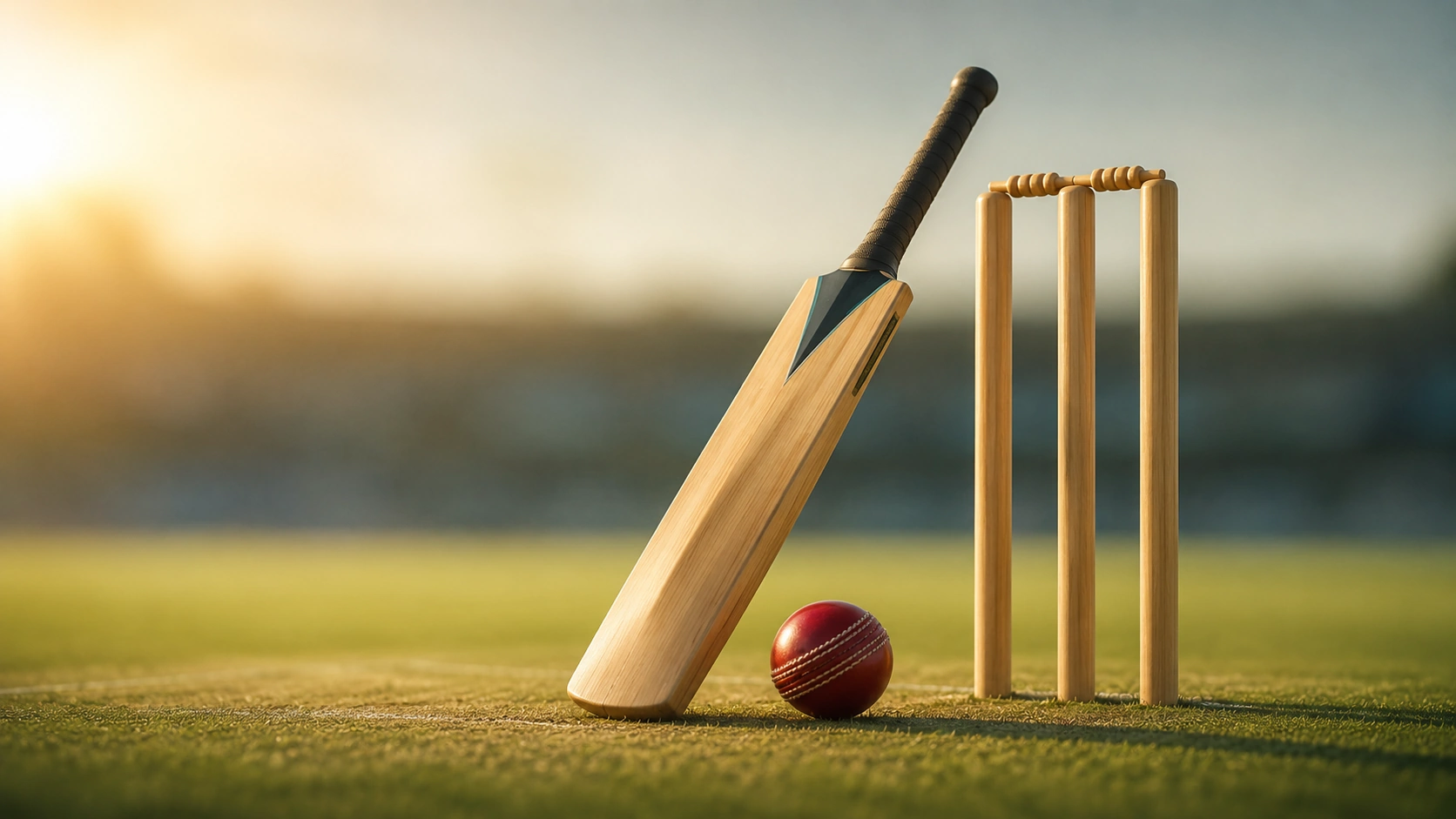
Beyond the event
Cricket observations become more useful when the innings, over, ball, target and match phase stay attached to each moment. Hearquence Scout can relate actions to roles such as striker, bowler, wicketkeeper, fielder, captain and team, so wickets, scoring changes and reviews can be understood in their live match setting. That depth helps preserve the difference between routine scoring, pressure phases, weather-affected play and decisive passages such as DLS changes or Super Overs.
Selected events Hearquence understands
204 recognised event forms
Match, innings & interruptions
- Match started
- Match ended
- Match won
- Match tied
- Innings started
- Innings ended
- Session started
- Stumps called
- Rain delay started
- Play resumed
Over & scoring state
- Score observed
- Target observed
- Required run rate observed
- Over started
- Over completed
- Ball delivered
- Legal delivery
- Dot ball
- Maiden over
- Over runs observed
Runs, extras & free hits
- Run scored
- Single run
- Two runs
- Boundary four
- Boundary six
- Overthrow runs
- No ball
- Wide ball
- Penalty runs awarded
- Free-hit delivery
Batting & bowling technique
- Batting shot
- Cover drive
- Pull shot
- Reverse sweep
- Defensive shot
- Leave
- Yorker
- Bouncer
- Slower ball
- Googly
Wickets, fielding & decisions
- Wicket fallen
- Bowled dismissal
- Caught dismissal
- LBW dismissal
- Run out dismissal
- Catch taken
- Dropped catch
- Appeal
- Umpire out decision
- Review overturned
Competition phases & player condition
- Powerplay started
- Powerplay ended
- DLS adjustment observed
- Super Over started
- Super Over won
- Injury observation
- Medical assistance
- Concussion assessment
- Substitute fielder
- Correction
Rich event context
Structured cricket events can carry match format, innings position, scoring state, roles, teams and official decision details.
- Match format
- Innings and over position
- Balls remaining
- Runs and wicket counts
- Targets and par scores
- Extras and dismissal details
- Shot and delivery classification
- Powerplay phase
- Review outcome
- Participant roles and teams
Early signals
Deterministic, low-latency signals surfaced before full AI interpretation.
- Wicket
- Boundary
- Six
- No ball
- Wide
- Free hit
- Review
- DLS adjustment
- Super Over
- Injury
- and 7 more
Useful for latency-sensitive workflows such as live alerting, trading controls or temporary market suspension while an outcome is being confirmed.
What Hearquence captures
- Structure ball-by-ball scoring, extras, over state, targets and required rates.
- Relate shots, deliveries, wickets, fielding plays and decisions to players, teams, innings and match phase.
- Preserve interruptions, sessions, DLS changes, powerplays, Super Overs and official outcomes with surrounding state.
- Flag early signals for wickets, boundaries, reviews, free hits, injuries and other supported live turning points.
What this enables
- Build live cricket timelines across innings, overs and sessions.
- Tag decisive passages around wickets, boundaries, reviews, powerplays and DLS updates.
- Audit score changes, extras, dismissals, review outcomes and corrections.
- Summarize player involvement across shots, deliveries, fielding actions, substitutions and medical events.
Curling
Capture each end with the shot, hammer and scoring context that shapes curling.
Hearquence Scout can structure curling observations from stone delivery and shot outcomes through end scoring, measurements, violations, stoppages and match results. It preserves both the action on the ice and the team or player roles attached to it.

Beyond the event
Curling observations become more useful when each shot is tied to the end, stone number, hammer state and house position around it. That depth helps separate a missed draw, a scoring steal or a measurement from the surrounding match phase and participant roles. It also keeps rulings, timeouts, corrections and care moments connected to the exact sequence of play.
Selected events Hearquence understands
69 recognised event forms
Shot making & outcome
- Stone delivered
- Draw shot
- Guard shot
- Takeout shot
- Hit and roll
- Double takeout
- Peel shot
- Freeze shot
- Raise shot
- Come around
Shot result & house position
- Shot successful
- Shot missed
- Shot heavy
- Shot light
- Shot wide
- Shot narrow
- Pick observation
- Stone on button
- Stone in four-foot
- Stone removed
Scoring & match flow
- Hammer observed
- Last stone delivered
- End started
- End completed
- End scored
- Blank end
- Steal
- Score observed
- Extra end started
- Match won
Rules, penalties & incidents
- Measurement requested
- Measurement result
- Hog-line violation
- Stone hogged
- Burned stone
- Free guard zone violation
- Wrong turn order
- Time violation
- Timeout
- Technical timeout
Stoppages & player condition
- Environment observation
- Play suspended
- Play resumed
- Injury observation
- Medical assistance
- Concession
- Correction
Rich event context
Structured curling events can carry shot, scoring, match-state and participant attributes from the observed play.
- Shot type
- Shot result
- House position
- Hammer state
- End scoring outcome
- Points scored
- End and stone number
- Violation type
- Match phase
- Team and player roles
Early signals
Deterministic, low-latency signals surfaced before full AI interpretation.
- End score
- Blank end
- Steal
- Hammer
- Measurement
- Hog-line issue
- Burned stone
- Free guard zone issue
- Time violation
- Stoppage
- and 8 more
Useful for latency-sensitive workflows such as live alerting, trading controls or temporary market suspension while an outcome is being confirmed.
What Hearquence captures
- Capture delivered stones, curling shot types and stated shot outcomes as structured events.
- Preserve end flow, hammer state, scoring outcomes, steals, blank ends and match results.
- Attach house position, end and stone number, match phase, teams, players and roles to observations.
- Surface measurements, violations, timeouts, stoppages, injuries, medical assistance and corrections as they occur.
What this enables
- Build a searchable stone-by-stone record by end, team, player role and shot result.
- Review scoring ends, blank ends, steals and hammer changes with the surrounding match context intact.
- Track measurements, violations and time-related calls alongside the affected teams and stones.
- Monitor stoppages, injuries, medical assistance and corrections within the live match sequence.
Darts
Turn live darts observations into structured context around visits, finishes and match momentum.
Hearquence captures dart-by-dart outcomes, visit scoring, checkout situations, leg and set flow, stoppages and corrections as structured data. It preserves both scoring detail and the surrounding match state without flattening the action into a simple score update.

Beyond the event
Darts observations become more valuable when a finish, miss or bust is tied to the player at the oche, the remaining score and the current leg or set situation. Preserving throw order, visit details and player roles makes it possible to separate routine scoring from pivotal checkout pressure, breaks of throw and exceptional finishes.
Selected events Hearquence understands
67 recognised event forms
Board hits & dart outcomes
- Dart thrown
- Segment hit
- Single hit
- Double hit
- Triple hit
- Outer bull hit
- Bullseye hit
- Miss
Visit scoring & score state
- Visit scored
- Maximum 180
- Ton-plus visit
- Remaining score stated
- Score observed
- Double-in success
- Double-in missed
Checkouts & special finishes
- Checkout attempt
- Successful checkout
- Missed checkout
- Bust
- Nine-dart attempt
- Nine-dart finish
- High checkout
- Maximum checkout
- Break of throw
- Hold of throw
Leg, set & match flow
- Match started
- Set started
- Leg started
- Throw started
- Throw completed
- Throw order stated
- Player ready
- Leg won
- Set won
- Match won
Stoppages, discipline & corrections
- Interval
- Play suspended
- Play resumed
- Injury observation
- Medical break
- Warning
- Conduct violation
- Correction
Rich event context
Structured darts events can include board, scoring, checkout, phase and participant details.
- Board segment
- Scoring ring
- Dart score
- Visit score
- Remaining score
- Checkout value
- Darts used
- Dart number
- Match phase
- Player and opponent roles
Early signals
Deterministic, low-latency signals surfaced before full AI interpretation.
- Leg update
- Set update
- Match update
- Checkout
- Bust
- Maximum 180
- Nine-dart
- High checkout
- Score change
- Medical
- and 2 more
Useful for latency-sensitive workflows such as live alerting, trading controls or temporary market suspension while an outcome is being confirmed.
What Hearquence captures
- Capture dart outcomes, board hits, visit scores and remaining scores as structured observations.
- Connect checkout attempts, busts and successful finishes to player roles and match phase.
- Track leg, set and match flow alongside throw order and visit boundaries.
- Surface signals around score changes, high checkouts, nine-dart moments, stoppages and medical interruptions.
What this enables
- Build a live structured timeline of visits, scores and finishing attempts.
- Review checkout pressure, missed doubles, busts and high-value finishes by player.
- Monitor leg, set and match swings through holds, breaks and score updates.
- Preserve stoppages, medical breaks, discipline and corrections alongside the match record.
Fencing
Turn fast exchanges and referee decisions into structured fencing data as they happen.
Hearquence captures the rapid sequence of actions, rulings, score changes and interruptions that shape a fencing bout. Observations can stay connected to the fencers, weapon, priority decisions and piste context behind them.
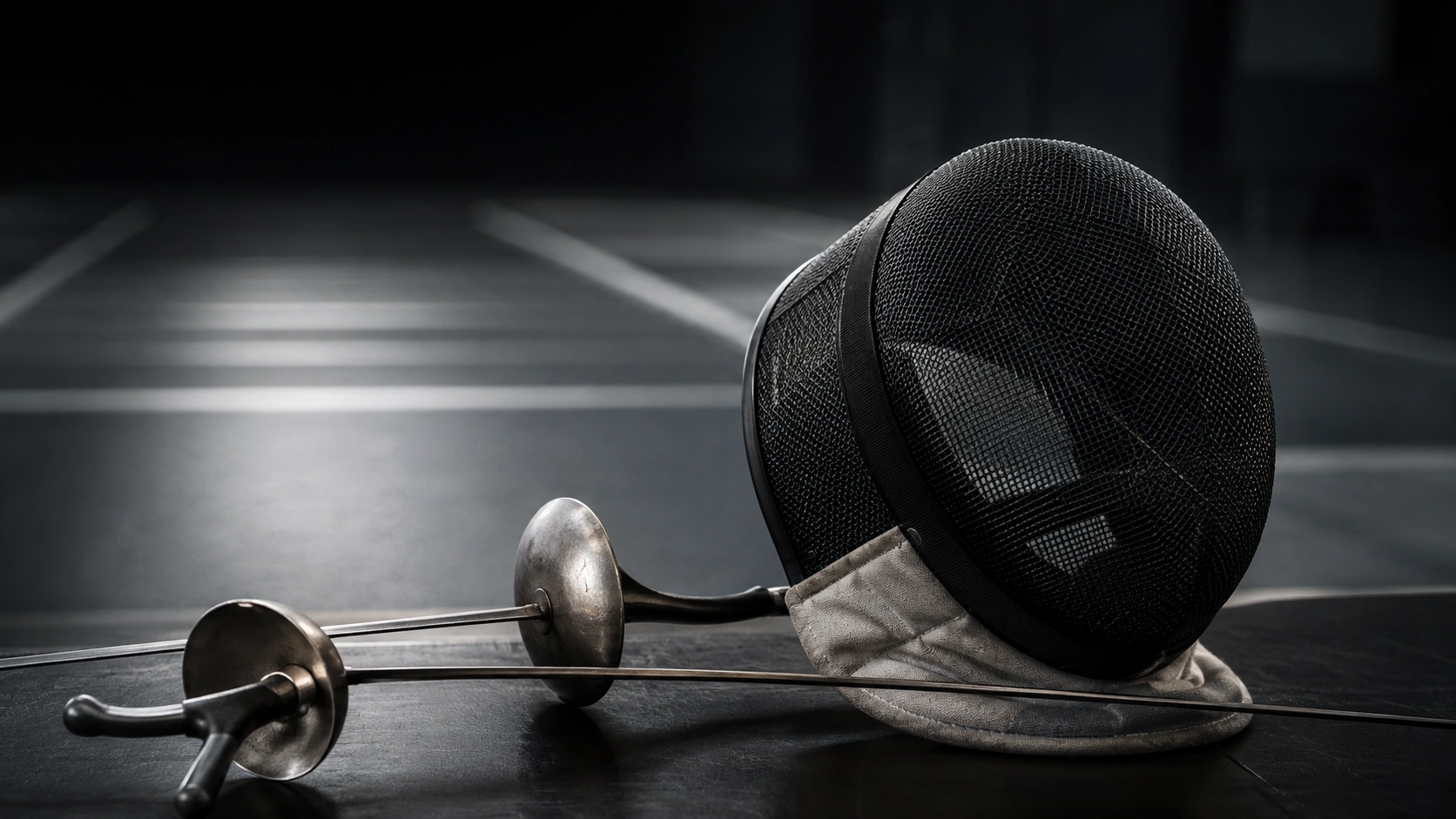
Beyond the event
Preserving the circumstances around each touch makes it possible to distinguish similar score changes that came from very different exchanges. When actions, priority, bout phase and fencer attribution are kept together, later review can follow how a sequence developed rather than treating each observation as an isolated note. Discipline, equipment and medical moments can also be understood in the same bout flow.
Selected events Hearquence understands
65 recognised event forms
Touch & priority
- Touch scored
- Double touch
- Off-target touch
- Priority awarded
- Simultaneous action
- Score observed
- Match point context
Technique & action
- Attack
- Attack in preparation
- Parry
- Riposte
- Counter-riposte
- Counterattack
- Remise
- Redoublement
- Feint
- Lunge
Bout flow
- Halt
- Fencing resumed
- En garde
- Ready command
- Bout started
- Period started
- Period ended
- Bout won
- Priority minute started
- Priority draw awarded
Officiating & discipline
- Video review requested
- Video review upheld
- Video review overturned
- Yellow card
- Red card
- Black card
- Penalty touch awarded
- Passivity call
- P-red card
- Boundary violation
Equipment & fencer condition
- Weapon failure
- Equipment issue
- Weapon change
- Equipment change
- Injury observation
- Medical assistance
- Medical break
- Retirement
Rich event context
Structured observations can carry fencing-specific details about the action, ruling, position, score state and involved fencers.
- Weapon
- Action type
- Blade action
- Target area
- Touch validity
- Priority decision
- Penalty type and reason
- Piste position
- Bout phase
- Fencer attribution
Early signals
Deterministic, low-latency signals surfaced before full AI interpretation.
- Touch
- Double touch
- Priority
- Video review
- Yellow card
- Red card
- Black card
- Passivity
- Medical
- Equipment
- and 7 more
Useful for latency-sensitive workflows such as live alerting, trading controls or temporary market suspension while an outcome is being confirmed.
What Hearquence captures
- Capture scoring, priority and bout-flow observations as structured fencing events.
- Connect actions and rulings to the relevant fencers, opponent roles and point winners.
- Preserve action, blade, target, piste and score context alongside each observation.
- Surface early signals for touches, reviews, cards, passivity, medical moments and equipment issues.
What this enables
- Build searchable bout logs from live fencing observations.
- Review exchanges around touches, priority decisions and off-target actions.
- Track discipline, review, equipment and medical interruptions through the bout.
- Maintain structured score and match-point context during direct bout flow.
Field Hockey
Capture the pressure, restarts and scoring swings that shape a field hockey match.
Hearquence can structure live field hockey observations across match flow, possession, circle play, goalmouth actions, penalties, cards, reviews and shootouts. It preserves the surrounding details that make each moment usable after the match.

Beyond the event
Field hockey observations gain value when a circle entry, shot, penalty corner or card is tied to the quarter, clock, field area and participants involved. Hearquence Scout can relate attacking phases, goalkeeper actions, aerial contests, referrals and suspension states to the wider match situation. That depth helps teams see not just what happened, but the circumstances around why a moment mattered.
Selected events Hearquence understands
248 recognised event forms
Match flow & score state
- Match started
- Match ended
- Match won
- Match drawn
- Score observed
- Lead changed
- Score tied
- Game clock observed
- Quarter started
- Quarter ended
Possession & attacking patterns
- Possession gained
- Possession lost
- Pass attempted
- Pass completed
- Pass intercepted
- Long pass observed
- Aerial pass observed
- Circle entry observed
- 23m entry observed
- Counterattack started
Shots, goals & goalkeeping
- Shot attempted
- Drag flick attempted
- Shot on target
- Shot saved
- Shot hit post
- Goal scored
- Equalizer goal
- Goal disallowed
- Goalkeeper save
- Goalkeeper clearance
Restarts & penalty corners
- Centre pass awarded
- Centre pass taken
- Sideline restart awarded
- Free hit awarded
- Free hit self-pass taken
- Penalty corner awarded
- Penalty corner injection taken
- Penalty corner drag flick observed
- Penalty corner retake awarded
- Penalty stroke awarded
Defending, aerials & offences
- Tackle attempted
- Tackle won
- Press started
- Press broken
- Foot offence
- Dangerous play
- Dangerous raised ball
- Aerial receiver identified
- Aerial early approach offence
- Circle defensive offence
Cards, reviews & player condition
- Substitution completed
- Injury stoppage started
- Player returned after injury
- Green card
- Yellow card
- Red card
- Temporary suspension team short observed
- Team referral requested
- Video review started
- Referral upheld
Rich event context
Structured field hockey events can carry match state, field location, technique, decision, statistic and participant details.
- Ruleset and match phase
- Quarter and timing
- Score and result state
- Field zone
- Shot technique
- Restart and penalty type
- Card and suspension details
- Referral and official decision
- Statistic counts and percentages
- Player, team and role identity
Early signals
Deterministic, low-latency signals surfaced before full AI interpretation.
- Goal
- Shot
- Circle entry
- Penalty corner
- Penalty stroke
- Dangerous play
- Card
- Shootout
- Referral
- Injury
- and 7 more
Useful for latency-sensitive workflows such as live alerting, trading controls or temporary market suspension while an outcome is being confirmed.
What Hearquence captures
- Structure match phase, score, clock, quarter and shootout observations as they are spoken.
- Connect possession, passing, circle entries, shots, goals and goalkeeper actions into coherent attacking sequences.
- Track penalty corners, penalty strokes, free hits, aerial priority and related restart requirements.
- Attach cards, suspensions, injuries, substitutions, referrals and corrections to the relevant teams, players and roles.
What this enables
- Review attacking phases from possession gain through circle entry, shot outcome and goal decision.
- Monitor penalty-corner execution, retakes, restrictions and scoring eligibility with consistent structure.
- Track discipline and availability through cards, temporary suspensions, substitutions and injury stoppages.
- Preserve review outcomes, official decisions and corrections alongside the affected match state.
Figure Skating
Turn live figure skating observations into structured program, scoring and review data.
Hearquence Scout can capture competition flow, program execution, element calls, scores, reviews, deductions and competitor condition. It keeps singles, pairs, ice dance and team-event observations tied to the participants and official state involved.

Beyond the event
Preserving segment, discipline, program timing and participant roles lets the same jump, lift or dance element be understood within the active performance and standings. Linking element calls, scores, deductions, reviews and corrections helps separate execution moments from official scoring changes. Condition, interruption and result-state details make the live record useful beyond the final placement.
Selected events Hearquence understands
262 recognised event forms
Competition & segment flow
- Competition starts
- Discipline stated
- Segment starts
- Short program starts
- Free skating completed
- Rhythm dance starts
- Free dance completed
- Position stated
- Qualifies for next segment
- Competition won
Program start & timing
- Warm-up group starts
- Warm-up group ends
- Competitor called to start
- Late start observed
- Starting position taken
- Music starts
- Program starts
- Program completed
- Program time stated
- Music restarted
Scoring & review
- Element called
- Element level called
- Element base value stated
- Element GOE stated
- Element score stated
- Technical element score stated
- Program component score stated
- Total segment score stated
- Technical panel review starts
- Element call changed
Jumps & landing calls
- Jump attempted
- Jump landed
- Jump fall
- Step-out on landing
- Hand down on landing
- Two-foot landing
- Jump popped
- Jump combination starts
- Under-rotation call
- Wrong-edge call
Spins, steps & partner elements
- Spin starts
- Spin completed
- Spin level stated
- Step sequence starts
- Step sequence completed
- Choreographic sequence starts
- Pair lift completed
- Throw jump attempted
- Twist lift completed
- Dance lift completed
Violations, interruptions & condition
- Fall observed
- Fall deduction assessed
- Time violation identified
- Illegal element identified
- Costume violation identified
- Program interruption starts
- Program restart allowed
- Withdrawal observed
- Injury observed
- Equipment issue observed
Rich event context
Structured figure skating events can carry discipline, segment, scoring, element, timing, decision and participant details.
- Ruleset and discipline
- Segment and competition level
- Competition phase and warm-up group
- Program and interruption timing
- Scores, totals and spoken score text
- Element codes, levels and values
- Grade of execution and element scores
- Jump type, rotations and technical calls
- Pair lift, death spiral and dance details
- Deductions, placements, results and participant roles
Early signals
Deterministic, low-latency signals surfaced before full AI interpretation.
- Jump
- Fall
- Rotation call
- Edge call
- Invalid element
- Level call
- Deduction
- Interruption
- Technical review
- Injury
- and 7 more
Useful for latency-sensitive workflows such as live alerting, trading controls or temporary market suspension while an outcome is being confirmed.
What Hearquence captures
- Capture program, segment and competition flow from start calls through published results.
- Structure technical element observations with levels, calls, values, GOE and review changes.
- Relate jumps, spins, lifts, dance elements and quality observations to the skater, pair or couple involved.
- Flag early signals around falls, deductions, interruptions, technical reviews and injury concerns.
What this enables
- Build live logs of program execution and scoring progress.
- Track technical-panel review moments and official score or placement corrections.
- Monitor qualification, leadership and result status across segments.
- Surface risk moments such as falls, interruptions, deductions and injury observations.
Floorball
Turn fast floorball observations into structured live match intelligence.
Hearquence captures the flow of floorball matches and converts live observations into structured data across match state, attacking play, goalkeeper involvement, penalties and stoppages.

Beyond the event
Floorball observations become more useful when the match phase, clock, strength state and participant roles stay attached to each event. That context makes it possible to connect possessions, shots, saves, offences and penalties into a clearer picture of how pressure and momentum develop. It also supports more reliable handling of overtime, shootouts, corrections and player-care moments as the match unfolds.
Selected events Hearquence understands
189 recognised event forms
Scoring & match flow
- Match started
- Period started
- Score observed
- Lead changed
- Match tied
- Game clock observed
- Overtime started
- Overtime goal
- Match won
- Match ended
Shootout & fixed situations
- Face-off started
- Face-off won
- Hit-in awarded
- Hit-in taken
- Free-hit awarded
- Free-hit taken
- Penalty shot awarded
- Penalty shot goal
- Shootout started
- Shootout goal
Possession & attacking patterns
- Possession gained
- Possession lost
- Turnover
- Interception
- Pass attempted
- Pass completed
- Counterattack started
- Forecheck started
- Zone entry observed
- Possession cycle observed
Shots, goals & goalkeeping
- Shot attempt
- Shot on goal
- Shot blocked
- Goal scored
- Goal disallowed
- Assist observed
- Power-play goal
- Save
- Save rebound
- Goalkeeper catch
Fouls & penalties
- High-stick free-hit offence
- Illegal stick hit
- Stick hooking
- Tripping
- Too many players
- Delayed penalty started
- Minor bench penalty assessed
- Major bench penalty assessed
- Match penalty assessed
- Red card shown
Stoppages, changes & player care
- Substitution observed
- Line change observed
- Goalkeeper substitution observed
- Timeout called
- Play stopped
- Play resumed
- Board separated
- Serious injury stoppage
- Medical assistance
- Correction
Rich event context
Floorball events can carry match phase, timing, strength, penalty, shot, statistic and participant attributes.
- Ruleset
- Period and match phase
- Score and clock
- Penalty type and time
- Strength state
- Fixed situation type
- Offence category
- Shot outcome
- Statistical counts and percentages
- Players, teams and roles
Early signals
Deterministic, low-latency signals surfaced before full AI interpretation.
- Goal
- Shot
- Save
- Face-off
- Penalty shot
- Penalty
- Power play
- Red card
- Goalkeeper incident
- Injury
- and 6 more
Useful for latency-sensitive workflows such as live alerting, trading controls or temporary market suspension while an outcome is being confirmed.
What Hearquence captures
- Structure live match state, scoring, clock and result observations.
- Attach players, teams, roles and strength state to floorball events.
- Preserve fixed-situation, offence, penalty-time and stoppage context.
- Surface early signals for goals, shots, penalties, power plays, goalkeeper incidents and injuries.
What this enables
- Track match flow through periods, overtime and shootouts.
- Review attacking sequences from possession changes through shots, saves and goals.
- Monitor penalties, strength state and power-play changes.
- Flag injury, medical and stoppage observations during live operations.
Formula Racing
Turn live race observations into structured context across laps, pits, incidents and race control.
Hearquence can capture Formula Racing observations from timing and position movement through pit activity, incidents, flags, penalties, qualifying and changing conditions. It turns those moments into structured data tied to drivers, teams, session phases and circuit context.

Beyond the event
Preserving lap, sector, corner and timing context makes pace changes, gaps and position movement easier to interpret within the race phase. Linking observations to drivers, opponents, teams, tyres, pit actions, flags, penalties and conditions helps distinguish routine race progression from moments that reshape strategy or risk.
Selected events Hearquence understands
90 recognised event forms
Race status, timing & conditions
- Race start
- Race finish
- Lap completed
- Fastest lap
- Personal best lap
- Sector time
- Gap observation
- Weather change
- Track condition change
- Environment observation
Position, qualifying & grid
- Position change
- Overtake
- Lead change
- Timed qualifying lap started
- Timed qualifying lap completed
- Pole position
- Grid position
Pit lane & tyre service
- Pit entry
- Pit stop
- Pit exit
- Tyre change
- Front wing change
- Slow pit stop
- Unsafe release
Incidents & car issues
- Retirement
- Mechanical issue
- Puncture
- Collision
- Spin
- Off track
Incidents & neutralisations
- Yellow flag
- Double yellow flag
- Red flag
- Green flag
- Safety car deployed
- Safety car ending
- Virtual safety car deployed
- Virtual safety car ending
Rules, penalties & corrections
- Track limits violation
- Lap time deleted
- Investigation
- Noted by stewards
- Warning
- Time penalty
- Drive-through penalty
- Grid penalty
- Disqualification
- Correction
Rich event context
Formula Racing events can carry lap, sector, corner, timing, tyre, pit, incident, race-control and condition details.
- Driver, opponent and team identity
- Race role
- Lap, sector and corner
- Running, qualifying or grid position
- Timing, gaps and deltas
- Tyre compound and stint phase
- Pit service action
- Incident and car issue type
- Flag, neutralisation and penalty details
- Track zone, race phase and conditions
Early signals
Deterministic, low-latency signals surfaced before full AI interpretation.
- Collision
- Mechanical issue
- Puncture
- Retirement
- Red flag
- Safety car
- Virtual safety car
- Investigation
- Penalty
- Track limits
- and 8 more
Useful for latency-sensitive workflows such as live alerting, trading controls or temporary market suspension while an outcome is being confirmed.
What Hearquence captures
- Capture lap, sector, position and gap observations with driver and race-phase context.
- Connect pit entries, stops, exits and tyre changes to service actions and tyre details.
- Structure incidents, car issues, flags, neutralisations and official decisions.
- Relate observations to drivers, opponents, teams, circuit zones and session state.
What this enables
- Build live race timelines across laps, positions, pits and flags.
- Review incidents with driver, opponent, corner and steward context.
- Track pit service, tyre changes and slow or unsafe releases.
- Summarise qualifying laps, pole confirmation and grid positions.
Futsal
Capture futsal’s rapid restarts, foul counts and power-play swings as structured live data.
Hearquence Scout can capture observations spanning match flow, shots, restarts, possession changes, accumulated fouls, goalkeeper rules, substitutions, timeouts and shootouts. It turns those moments and their participant context into structured records for analysis.

Beyond the event
In futsal, a shot, foul or restart gains meaning from the period, match phase, accumulated-foul count and roles involved. Preserving that context helps distinguish ordinary pressure from power-play sequences, send-off periods, 10-meter kick situations and penalty shootouts. It also links quick possession changes to the players and teams that created or faced them.
Selected events Hearquence understands
115 recognised event forms
Match flow & stoppages
- Match started
- Half started
- Half ended
- Extra time started
- Match won
- Substitution
- Team timeout
- Play suspended
- Play resumed
- Injury observed
Scoring & chances
- Goal scored
- Own goal
- Shot attempt
- Shot on target
- Shot off target
- Shot blocked
- Goalkeeper save
- Post hit
- Assist
- Counterattack goal
Possession & attacking patterns
- Pass completed
- Pass intercepted
- Turnover
- Steal
- Dribble observed
- One-on-one observed
- Counterattack started
- Goalkeeper possession observed
- Flying goalkeeper started
- Flying goalkeeper ended
Restarts & set pieces
- Kickoff
- Kick-in awarded
- Kick-in taken
- Corner kick awarded
- Corner kick taken
- Goal clearance awarded
- Goal clearance taken
- Dropped ball
- Direct free kick awarded
- Indirect free kick awarded
Fouls, discipline & violations
- Foul committed
- Accumulated foul
- Fifth accumulated foul
- Sixth accumulated foul
- Four-second violation
- Goalkeeper four-second violation
- Goalkeeper return violation
- Yellow card
- Second-yellow red card
- Red card
Penalties, 10-meter kicks & shootouts
- Penalty kick awarded
- Penalty kick taken
- Penalty scored
- Penalty saved
- 10-meter kick awarded
- 10-meter kick taken
- 10-meter kick scored
- 10-meter kick saved
- Shootout attempt
- Shootout scored
Rich event context
Structured futsal events can carry restart, shot, attack, foul, violation, sanction, period, score and participant details.
- Restart type
- Shot result
- Attack phase
- Foul type
- Technical violation type
- Sanction type
- Accumulated-foul count
- Period and match phase
- Observed score phrase
- Player, team and opponent roles
Early signals
Deterministic, low-latency signals surfaced before full AI interpretation.
- Goal
- Penalty
- 10-meter kick
- Accumulated foul
- Sixth foul
- Four-second violation
- Red card
- Flying goalkeeper
- Timeout
- Injury
- and 9 more
Useful for latency-sensitive workflows such as live alerting, trading controls or temporary market suspension while an outcome is being confirmed.
What Hearquence captures
- Structure live observations across match phases, restarts, shots, fouls, sanctions and goalkeeper-led setups.
- Attach observations to players, teams, opponents, substitutes and futsal roles such as goalkeeper, shooter, defender or flying goalkeeper.
- Preserve accumulated-foul state, period, match phase, score phrases, restart types and stated outcomes.
- Flag early signals for goals, penalties, 10-meter kicks, sixth fouls, cards, timeouts, injuries and stoppages.
What this enables
- Build live match logs that connect goals, chances, restarts and possession changes to the participants involved.
- Review foul accumulation, send-off periods and 10-meter kick situations with preserved period and team context.
- Track power-play passages, goalkeeper possession and empty-net outcomes alongside match state.
- Surface key moments such as penalties, cards, timeouts, injuries and shootouts.
Handball
Turn rapid handball actions and rulings into structured live observations.
Hearquence captures the pace of handball across attacking actions, set throws, possession changes, discipline, substitutions and stoppages. Each observation can be structured with the match and participant context needed for cleaner live data.

Beyond the event
When the circumstances around each observation are preserved, a handball timeline can show more than the score changing. Shot outcomes, attacking phases, sanctions, substitutions and reviews can be related to the players, teams and match phase involved. That depth helps separate open-play momentum, seven-meter pressure, passive-play sequences and stoppage-driven shifts within the same match flow.
Selected events Hearquence understands
97 recognised event forms
Scoring & shot outcomes
- Goal scored
- Own goal
- Shot attempt
- Shot on target
- Shot off target
- Shot blocked
- Goalkeeper save
- Post hit
- Assist
- Empty-goal score
Attack & possession
- Fast break started
- Fast-break goal
- Wing shot
- Backcourt shot
- Pivot shot
- Breakthrough
- Pass completed
- Pass intercepted
- Turnover
- Steal
Restarts & seven-meters
- Seven-meter awarded
- Seven-meter scored
- Seven-meter missed
- Seven-meter saved
- Free throw awarded
- Throw-off
- Throw-in
- Goalkeeper throw
Violations, fouls & passive play
- Dribbling violation
- Steps violation
- Three-second violation
- Offensive foul
- Foul committed
- Passive-play warning
- Passive-play turnover
Discipline, substitutions & care
- Yellow-card warning
- Two-minute suspension
- Third-suspension disqualification
- Red card
- Blue card
- Disqualification
- Substitution
- Illegal substitution
- Goalkeeper substitution
- Injury observation
Match flow, reviews & corrections
- Team timeout
- Half started
- Half ended
- Extra time started
- Shootout started
- Match started
- Match won
- Score observed
- Play suspended
- Video review
Rich event context
Handball events can carry details about the action type, match situation, court location and involved participants.
- Shot type
- Shot result
- Attacking phase
- Foul type
- Violation type
- Disciplinary sanction
- Period and match phase
- Court zone
- Player role
- Teams and participants
Early signals
Deterministic, low-latency signals surfaced before full AI interpretation.
- Goal
- Seven-meter
- Suspension
- Red card
- Passive play
- Turnover
- Timeout
- Substitution
- Injury
- Video review
- and 7 more
Useful for latency-sensitive workflows such as live alerting, trading controls or temporary market suspension while an outcome is being confirmed.
What Hearquence captures
- Structure scoring, shot outcomes, saves and assists with player and team attribution.
- Capture possession shifts, fast breaks, fouls, violations and passive-play decisions with handball-specific context.
- Record sanctions, substitutions, injuries, stoppages, reviews and corrections as live observations.
- Attach match phase, court zone, score phrases and participant roles to supported events.
What this enables
- Build live handball timelines around goals, seven-meters, turnovers and disciplinary moments.
- Review attacking sequences by shot type, court zone, phase and player role.
- Flag match-management moments such as timeouts, substitutions, reviews and stoppages.
- Monitor player-impact events including suspensions, disqualifications and injury observations.
Ice Hockey
Turn fast shifts, special teams and scoring swings into structured ice hockey data.
Hearquence captures live hockey observations across game flow, puck movement, shots, scoring, penalties, reviews, extra-attacker phases and player care. Those observations can be structured with the surrounding match state and participant detail.

Beyond the event
When Hearquence preserves period, clock, strength situation, zone and participant attribution, fast sequences become easier to interpret after the fact. A goal, shot or stoppage can be related to the surrounding power play, review, penalty, extra-attacker or player-care situation instead of standing alone.
Selected events Hearquence understands
179 recognised event forms
Match flow & score state
- Game started
- Period started
- Period ended
- Intermission started
- Overtime started
- Game ended
- Game won
- Score observed
- Game clock observed
Scoring & shot outcomes
- Shot attempt
- Shot on goal
- Missed shot
- Blocked shot
- Goalkeeper save
- Rebound allowed
- Goal scored
- Power-play goal
- Short-handed goal
- Empty-net goal
Possession & contact
- Faceoff started
- Faceoff won
- Zone entry
- Controlled zone entry
- Dump-in
- Zone exit
- Turnover
- Takeaway
- Board battle
- Net-front battle
Penalties & special teams
- Delayed penalty
- Minor penalty
- Double-minor penalty
- Major penalty
- Misconduct penalty
- Game misconduct
- Power play started
- Power play ended
- Penalty kill started
- Five-on-three started
Violations, reviews & stoppages
- Offside
- Delayed offside
- Icing
- Icing waved off
- Hand pass
- High-stick puck call
- Puck out of play
- Net displaced
- Video review
- Coach challenge
Shootout & fixed situations
- Penalty shot awarded
- Penalty shot taken
- Penalty shot scored
- Penalty shot saved
- Goalkeeper pulled
- Goalkeeper returned
- Extra attacker started
- Shootout started
- Shootout attempt
- Shootout deciding goal
Rich event context
Events can carry hockey-specific detail about shot characteristics, strength state, penalties, violations, zones, timing, reviews and involved players or teams.
- Shot detail
- Shot result
- Numerical strength
- Penalty detail
- Violation classification
- Ice zone
- Period and match phase
- Clock phrase
- Score phrase
- Review outcome
Early signals
Deterministic, low-latency signals surfaced before full AI interpretation.
- Goal
- Power-play goal
- Short-handed goal
- Penalty
- Major penalty
- Dangerous hit
- Penalty shot
- Power play
- Five-on-three
- Injury
- and 12 more
Useful for latency-sensitive workflows such as live alerting, trading controls or temporary market suspension while an outcome is being confirmed.
What Hearquence captures
- Structure fast play-by-play observations across periods, clock updates, faceoffs, puck movement, shots and goals.
- Attach participants, teams, zones, strength situations and review outcomes to hockey events when stated.
- Surface early signals for goals, penalties, special teams, reviews, shootouts, injuries and stoppages.
- Represent extra-attacker, empty-net, penalty-shot and shootout sequences as structured observations.
What this enables
- Build searchable timelines of scoring, shot pressure, possession changes and stoppages.
- Flag penalty escalations, dangerous hits, power plays and five-on-three situations as they are observed.
- Review goal sequences with strength state, zone context and review decisions preserved.
- Track player-care moments such as injury observations, medical assistance and withdrawal from play.
Indoor Volleyball
Turn every volleyball rally into structured context as the match unfolds.
Hearquence Scout captures volleyball observations across rally outcomes, serve receive, attacking, blocking, officiating decisions, substitutions and stoppages. It turns spoken observations into structured event data with participant, role, court and score context when available.

Beyond the event
Preserving the circumstances around each rally helps distinguish an ace from a reception error, a kill from an attack error, or a block point from a continuing touch. Connected participants, roles, zones, match phase and score state make rotations, substitutions, challenges and pressure-point situations easier to review in context.
Selected events Hearquence understands
147 recognised event forms
Match flow & score state
- Point won
- Set won
- Match won
- Score observed
- Set point
- Match point
- Set started
- Match started
- Side change
Serve & reception
- Serve
- Ace
- Service error
- Reception
- Reception error
Attack, setting & defence
- Setting action
- Attack
- Kill
- Attack error
- Free ball
- Tip
- Setter dump
- Block attempt
- Block point
- Dig
Faults & violations
- Net violation
- Centre line violation
- Double contact
- Lift or carry
- Four hits
- Rotation fault
- Position fault
- Back-row fault
- Libero fault
Calls, reviews & corrections
- Ball in
- Ball out
- Touch call
- Challenge
- Successful challenge
- Unsuccessful challenge
- Inconclusive challenge
- Correction
Stoppages, changes & discipline
- Timeout
- Substitution
- Libero replacement
- Play suspended
- Play resumed
- Injury observation
- Medical assistance
- Delay warning
- Misconduct penalty
- Disqualification
Rich event context
Volleyball events can include action details, court references, match state, score language and participant attribution.
- Action type
- Serve type
- Set pattern
- Attack type and zone
- Reception quality
- Block structure
- Fault or violation type
- Court zone and ball landing
- Match phase and spoken score
- Participant, replacement and team attribution
Early signals
Deterministic, low-latency signals surfaced before full AI interpretation.
- Point
- Set
- Match
- Ace
- Service error
- Challenge
- Injury
- Medical assistance
- Penalty
- Stoppage
- and 6 more
Useful for latency-sensitive workflows such as live alerting, trading controls or temporary market suspension while an outcome is being confirmed.
What Hearquence captures
- Capture rally outcomes and score-state observations as structured events.
- Structure serve, reception, attack, block and defensive actions with relevant volleyball context.
- Attach participant, role, court, match-phase and team attribution when available.
- Flag supported early signals such as challenges, injuries, penalties, stoppages and score changes.
What this enables
- Review pressure-point sequences with surrounding rally context preserved.
- Track how actions and errors are attributed across players, roles and teams.
- Follow substitutions, libero replacements, timeouts and stoppages alongside live match flow.
- Audit calls, challenges, corrections and disciplinary events in sequence.
Judo
Turn judo mat-side observations into structured contest intelligence.
Hearquence captures the decisive technical, officiating and condition moments that shape a judo contest and turns them into structured data. Each observation can retain who it involved and the contest-specific detail needed to interpret it.

Beyond the event
In judo, the meaning of an observation depends on how it sits within standing action, groundwork, hold-downs, stoppages and golden score. Connecting attacks to follow-on control, referee calls, reviews and corrections creates a richer contest record. Participant attribution makes it clear which judoka initiated, received or benefited from each decisive moment.
Selected events Hearquence understands
105 recognised event forms
Contest flow
- Contest started
- Hajime
- Mate
- Contest resumed
- Contest ended
- Match won
- Golden score started
Technique & action
- Throw attempt
- Throw completed
- Counter throw
- Combination attack
- Failed attack
- Transition to groundwork
Scoring & osaekomi
- Yuko scored
- Waza-ari scored
- Ippon scored
- Waza-ari-awasete-ippon
- Score observed
- Score cancelled
- Score changed
- Osaekomi started
- Osaekomi yuko
- Osaekomi waza-ari
Grappling & control
- Groundwork started
- Toketa
- Escape from osaekomi
- Shime-waza attempt
- Shime-waza submission
- Kansetsu-waza attempt
- Kansetsu-waza submission
- Tap out
- Verbal submission
- Dominant grip observed
Fouls & discipline
- Shido
- Second shido
- Third shido hansoku-make
- Direct hansoku-make
- Hansoku-make
- Passivity penalty
- False attack penalty
- Grip penalty
- Leg grab penalty
- Stepping-out penalty
Reviews, medical & corrections
- Referee review
- Review upheld
- Review overturned
- Injury observation
- Medical check
- Medical stoppage
- Retirement
- Correction
Rich event context
Structured judo events can include technical, scoring, penalty, phase, timing and participant attribution details.
- Technical score type
- Identified technique
- Action phase
- Submission family
- Penalty type and reason
- Shido count
- Hold-down duration
- Contest phase
- Spoken score or penalty phrase
- Judoka roles and attribution
Early signals
Deterministic, low-latency signals surfaced before full AI interpretation.
- Yuko
- Waza-ari
- Ippon
- Submission
- Osaekomi
- Shido
- Hansoku-make
- Golden score
- Review
- Injury
- and 6 more
Useful for latency-sensitive workflows such as live alerting, trading controls or temporary market suspension while an outcome is being confirmed.
What Hearquence captures
- Capture contest flow from start and restart commands through stoppages, golden score and result.
- Structure throws, linked attacks, groundwork, submissions and hold-down outcomes with participant attribution.
- Record scoring, penalties, reviews and corrections as contest state changes.
- Attach judo-specific technical, phase, penalty and timing context to observations.
What this enables
- Build structured live logs of each contest with the key technical and officiating moments preserved.
- Review how standing attacks transition into groundwork, control and submission outcomes.
- Track scoring, penalty and review sequences throughout regulation time and golden score.
- Surface observations around injury, medical assessment and retirement within the contest record.
Karate
Turn fast Kumite exchanges into structured scoring, discipline and review data.
Hearquence captures the flow of Karate Kumite from start commands through attacks, scoring decisions, disciplinary calls, reviews, medical moments and team outcomes. Spoken observations become structured records tied to the relevant side, athlete and match circumstances when supplied.

Beyond the event
The same exchange can involve an attempted technique, a stop command, a score award, a review decision or a correction. By preserving the stated circumstances and linking them to AKA/AO, team roles and match phase, Hearquence helps reconstruct how each bout moved from action to official outcome. That depth is especially useful when Senshu, clear-lead wins, disqualifications or medical procedures affect the result.
Selected events Hearquence understands
154 recognised event forms
Bout flow & interruptions
- Competition started
- Bout called
- Bout started
- Bout suspended
- Bout resumed
- Bout ended
- Bout won
- Competition ended
- Shobu Hajime observed
- Yame observed
Technique & action
- Attack attempt
- Tsuki attempt
- Uchi attempt
- Chudan attack
- Jodan attack
- Chudan kick attempt
- Jodan kick attempt
- Mawashi-geri observed
- Legal takedown attempt
- Legal takedown completed
Scoring & decisions
- Score observed
- Score awarded
- Yuko awarded
- Waza-ari awarded
- Ippon awarded
- Simultaneous scores observed
- Score invalidated
- Senshu awarded
- Eight-point lead reached
- Bout won by points
Fouls & discipline
- Tsuzukete warning
- Passivity observed
- Avoiding combat observed
- First Chui
- Hansoku Chui
- Hansoku imposed
- Shikkaku imposed
- Kiken declared
- Jogai called
- Mubobi called
Reviews, medical & corrections
- Video review requested
- Video review started
- Video review valid
- Video review invalid
- Video review Mienai
- Score awarded after review
- Injury observed
- Medical assistance
- Bleeding observed
- Correction
Team & competition flow
- Team match started
- Team match ended
- Team match won
- Team bout won
- Team match tied
- Deciding bout started
- Round-robin draw observed
- Walkover
- Weigh-in completed
- Classification changed
Rich event context
Karate events can carry bout state, scoring, review, penalty, category and participant-role details when they are stated.
- Ruleset and competition format
- Age and weight category
- Official bodyweight
- Score value and type
- Bout clock and counts
- Competition position
- Target level and technique type
- Warning, penalty and disqualification type
- Review request and outcome
- Athlete, team and side roles
Early signals
Deterministic, low-latency signals surfaced before full AI interpretation.
- Yuko
- Waza-ari
- Ippon
- Senshu
- Score change
- Eight-point lead
- Warning
- Hansoku
- Video review
- Medical attention
- and 9 more
Useful for latency-sensitive workflows such as live alerting, trading controls or temporary market suspension while an outcome is being confirmed.
What Hearquence captures
- Structure live Kumite observations across bout state, scoring, penalties, reviews and medical stoppages.
- Connect actions to AKA/AO athletes, teams, coaches and winners when those roles are stated.
- Preserve score, clock, ruleset, category, technique, target, warning, penalty and review details.
- Flag early signals such as score changes, Senshu, eight-point leads, warnings, reviews and medical situations.
What this enables
- Build a searchable timeline for individual and team Kumite bouts.
- Audit scoring changes, review outcomes and result corrections.
- Track discipline escalation from informal commands through warnings and disqualifications.
- Monitor athlete status around injuries, medical assessment and ten-second procedures.
Kickboxing
Turn fast striking exchanges and referee decisions into structured kickboxing data.
Hearquence captures the flow of kickboxing bouts from ring or tatami action through official outcomes and turns live observations into structured records. It preserves both technical action and official rulings without losing who was involved.

Beyond the event
In kickboxing, the same action can carry different meaning depending on discipline, target area, contact level, round state and the fighter involved. Preserving those circumstances helps separate clean scoring techniques, rule-specific permissions, warnings, counts and medical moments from the surrounding bout flow. That depth creates a richer record of pressure, technique, judging and stoppage risk across formats.
Selected events Hearquence understands
173 recognised event forms
Fight flow
- Competition started
- Competition ended
- Bout called
- Bout started
- Round started
- Round ended
- Bout suspended
- Bout resumed
- Bout ended
- Bout won
Technique & action
- Attack attempt
- Punch attempt
- Kick attempt
- Knee attempt
- Sweep attempt
- Spinning attack
- Jumping attack
- Combination attack
- Counterattack
- Clean technique
Strikes & targets
- Jab
- Cross
- Hook
- Uppercut
- Backfist
- Front kick
- Side kick
- Roundhouse kick
- Low kick
- Head kick
Scoring & decisions
- Point fighting exchange started
- Point fighting stop called
- Point fighting score awarded
- One point awarded
- Two points awarded
- Three points awarded
- No score ruled
- Simultaneous score declared
- Judge point observed
- Round judging observed
Stoppages & results
- Knockdown
- Count started
- Count observed
- Recovered from count
- Failed to beat count
- Multiple knockdowns observed
- Knockout
- Technical knockout
- Referee stoppage
- Doctor stoppage
Fouls & discipline
- Verbal warning
- Official warning
- Point deduction
- Disqualification
- Illegal target attack
- Low blow
- Holding violation
- Pushing violation
- Attack after stop
- Unsportsmanlike conduct
Rich event context
Structured kickboxing events can carry discipline, surface, scoring, timing, technique, penalty and participant-role details.
- Ruleset and discipline
- Venue type
- Age and weight category
- Official bodyweight
- Round and match phase
- Score and clock state
- Points, counts and warning totals
- Technique and target detail
- Contact, penalty and decision detail
- Fighter, opponent and team roles
Early signals
Deterministic, low-latency signals surfaced before full AI interpretation.
- Score change
- Head kick
- Low kick
- Knee strike
- Knockdown
- Referee count
- Knockout
- Technical knockout
- Point deduction
- Medical attention
- and 9 more
Useful for latency-sensitive workflows such as live alerting, trading controls or temporary market suspension while an outcome is being confirmed.
What Hearquence captures
- Structure bout, round, clock, score and classification observations as they are stated.
- Attach striking techniques, target areas, contact levels and outcomes to the relevant fighters or corners.
- Track judging, point awards, warnings, deductions, reviews and corrected results.
- Preserve knockdowns, counts, stoppages, injury and medical observations with participant context.
What this enables
- Build searchable bout logs across ring and tatami formats.
- Monitor scoring swings, judging outcomes, official reviews and corrected results.
- Flag safety-critical moments such as knockdowns, counts, medical assessments and inability to continue.
- Review technique patterns, pressure, stance and discipline-specific rule observations.
Lacrosse
Turn live lacrosse observations into structured game, possession and player context.
Hearquence can capture lacrosse observations across game flow, possession changes, attacking actions, goals, saves, penalties, reviews and player condition. It preserves the spoken detail needed to organize fast sequences across field, women’s, box and Sixes contexts when explicitly observed.

Beyond the event
Lacrosse events become more useful when the surrounding phase, possession state, clock pressure and player-advantage situation are preserved alongside the action. Hearquence can relate observations to the teams, players and roles involved, making it easier to understand how clears, rides, dodges, shots, saves, penalties and restarts connect within a sequence. That depth supports review of momentum swings, special situations and credited individual involvement without reducing the game to isolated outcomes.
Selected events Hearquence understands
196 recognised event forms
Match flow & score state
- Game started
- Period started
- Period ended
- Halftime started
- Halftime ended
- Score observed
- Lead changed
- Game tied
- Overtime started
- Game ended
Possession & transition
- Possession gained
- Possession lost
- Turnover
- Caused turnover
- Ground ball won
- Loose ball observed
- Clear started
- Clear completed
- Ride successful
- Fast break started
Restarts, faceoffs & draws
- Faceoff started
- Faceoff won
- Faceoff violation
- Draw started
- Draw control won
- Restart started
- Quick restart observed
- Sideline restart
- Endline restart
- Post-goal restart observed
Passing, dodging & shots
- Pass attempted
- Pass completed
- Pass intercepted
- Bad pass turnover
- Carry observed
- Dodge attempted
- Dodge successful
- Dodge stopped
- Shot attempted
- Shot on goal
Goals, saves & goalie play
- Goal scored
- Goal disallowed
- Goal under review
- Assist observed
- Unassisted goal
- Man-up goal
- Short-handed goal
- Save
- Save rebound
- Goalie possession observed
Fouls, penalties & stoppages
- Foul observed
- Personal foul observed
- Technical foul observed
- Card observed
- Slashing foul
- Offside violation
- Penalty assessed
- Penalty started
- Man-up started
- Timeout called
Rich event context
Structured lacrosse events can carry game phase, possession, timing, ruleset, participant and advantage details when they are explicitly available.
- Ruleset and discipline
- Period and match phase
- Score as stated
- Shot-clock time
- Penalty duration and category
- Card color
- Player-advantage state
- Restart classification
- Attempt outcome
- Player, team and role attribution
Early signals
Deterministic, low-latency signals surfaced before full AI interpretation.
- Goal
- Shot
- Save
- Turnover
- Faceoff or draw
- Shot clock
- Penalty
- Card
- Man-up
- Review
- and 7 more
Useful for latency-sensitive workflows such as live alerting, trading controls or temporary market suspension while an outcome is being confirmed.
What Hearquence captures
- Capture game flow, score state and overtime outcomes as structured observations.
- Connect possession changes, clears, rides, ground balls and transition moments into coherent sequences.
- Attribute passes, dodges, shots, goals, assists, saves and defensive actions to the relevant players, teams and roles.
- Structure fouls, cards, penalties, reviews, substitutions, stoppages and player-condition observations when reported.
What this enables
- Build a searchable timeline of key lacrosse phases, scoring moments and possession swings.
- Review how advantage situations, penalties and restarts shaped attacking opportunities.
- Track player involvement across shooting, assisting, goaltending, faceoffs, draws and defensive pressure.
- Flag early signals such as goals, saves, turnovers, shot-clock pressure, penalties and reviews for faster follow-up.
Netball
Turn fast netball observations into structured match intelligence as play, possession and umpire decisions unfold.
Hearquence Scout captures spoken netball observations across match flow, centre passes, possession, shooting, infringements, sanctions, stoppages and player changes, then structures them with the surrounding match state. It supports the signals, roles and official decisions that shape a seven-a-side game.

Beyond the event
Netball observations become more useful when a shot, contact call or centre-pass correction carries the period, clock, court area, player position and team role around it. Preserving that setting helps analysts connect possession changes, restarts, sanctions and stoppages to the players and teams involved rather than treating each call as an isolated note.
Selected events Hearquence understands
177 recognised event forms
Match flow & score state
- Match started
- Quarter started
- Quarter ended
- Half-time started
- Match ended
- Match won
- Score observed
- Lead changed
- Match tied
- Extra time started
Centre passes & restarts
- Captains’ toss observed
- First centre pass selected
- Centre pass ready
- Centre pass started
- Centre pass completed
- Next centre pass observed
- Wrong centre pass indicated
- Goal restart ready
- Play restarted after goal
- Play restarted after stoppage
Possession, passing & turnovers
- Possession gained
- Possession lost
- Turnover
- Interception
- Deflection observed
- Pass attempt
- Pass completed
- Pass intercepted
- Bad pass turnover
- Long pass observed
Shooting & rebounds
- Goal circle entry
- Shot attempt
- Shot made
- Shot missed
- Shot off ring
- Shot off post
- Shot rebounded
- Attacking rebound won
- Defensive rebound won
- Goal scored after deflection
Infringements, sanctions & discipline
- Footwork violation
- Held ball violation
- Offside violation
- Obstruction of ball holder
- Contact interference
- Advantage called
- Free pass awarded
- Penalty pass awarded
- Warning issued
- Suspension issued
Stoppages, substitutions & care
- Time held
- Time restarted
- Injury observed
- Bleeding observed
- Injury stoppage started
- Blood stoppage started
- Medical assistance
- Concussion concern observed
- Player cannot continue
- Substitution observed
Rich event context
Events can include period, score, clock, court location, playing position, infringement, sanction, statistic and participant details.
- Ruleset and match format
- Period and extra-time segment
- Score and clock statements
- Playing position
- Court area
- Infringement category
- Sanction and game-management action
- Stoppage reason
- Statistical counts and percentages
- Participant roles and teams
Early signals
Deterministic, low-latency signals surfaced before full AI interpretation.
- Goal
- Shot
- Turnover
- Centre pass
- Infringement
- Contact
- Obstruction
- Sanction
- Injury
- Correction
- and 7 more
Useful for latency-sensitive workflows such as live alerting, trading controls or temporary market suspension while an outcome is being confirmed.
What Hearquence captures
- Structure match phases, score state, lead changes, ties, extra time and match outcomes.
- Capture centre-pass sequences, passing, possession changes, shooting outcomes and rebounds.
- Preserve umpire calls, infringements, advantage, sanctions, discipline and corrections.
- Attach observations to periods, clock statements, court areas, player positions, team roles and stated statistics.
What this enables
- Build live scout logs with score, phase and restart state attached to each observation.
- Review possession chains from centre pass through turnovers, circle entries, shots and rebounds.
- Track umpire decisions, sanctions and discipline across a match.
- Flag injury, medical, stoppage and substitution moments with participant context.
Padel
Turn fast rallies, wall play and scoring turns into structured padel data.
Hearquence Scout captures live padel observations across point flow, serving, rallies, wall interactions, stoppages and player condition. Those observations are converted into structured data that keeps the match narrative usable after the moment passes.

Beyond the event
When the circumstances around a padel observation are preserved, a rally shot can be understood with its placement, wall involvement, service phase and participant roles. Linking those details to score state and surrounding actions helps separate routine exchanges from pressure points, decisive attacking shots and condition-related interruptions.
Selected events Hearquence understands
84 recognised event forms
Scoring & match flow
- Point won
- Game won
- Set won
- Match won
- Score observed
- Point situation
- Point started
- Changeover
Serve & reception
- Serve
- First serve
- Second serve
- Service fault
- Double fault
- Let
- Return
- Player ready
- Receiver ready
Shot & outcome
- Rally shot
- Winner
- Smash winner
- Forced error
- Unforced error
- Net error
- Long error
- Wide error
Wall & court play
- Wall play
- Wall error
- Out-of-court play
- X3 winner
- X4 winner
- Line call
Stoppages, discipline & care
- Environment observation
- Play suspended
- Play resumed
- Medical attention
- Medical timeout
- Injury observation
- Fatigue observation
- Time violation
- Code violation
- Correction
Rich event context
Structured padel events can include shot, placement, wall, service, scoring and participant attribution details.
- Participant and team attribution
- Opponent attribution
- Court role
- Point or match winner attribution
- Shot type
- Spin
- Shot direction
- Ball landing and outcome
- Wall or glass sequence
- Service attempt and side
Early signals
Deterministic, low-latency signals surfaced before full AI interpretation.
- Double fault
- X3 finish
- X4 finish
- Injury concern
- Medical timeout
- Score change
- Stoppage
- Penalty
- Code violation
- Correction
- and 4 more
Useful for latency-sensitive workflows such as live alerting, trading controls or temporary market suspension while an outcome is being confirmed.
What Hearquence captures
- Capture point, game, set and match progression with spoken score context.
- Structure serves, returns, rally shots, winners, errors and legal wall or out-of-court play.
- Attach participant roles, court zones, wall details, shot characteristics and outcomes to observations.
- Flag supported early signals such as double faults, score changes, stoppages, medical issues and corrections.
What this enables
- Build searchable padel timelines from live scouting observations.
- Review attacking finishes, errors and wall-involved exchanges with match state attached.
- Monitor readiness, suspensions, medical attention and fatigue observations during a match.
- Reconcile score changes and scout corrections after fast sequences.
Pickleball
Turn live pickleball observations into structured scoring, service, rally and ruling data.
Hearquence can capture the flow of a pickleball match from format and score state through live rally outcomes, player actions, rulings and stoppages. The result is structured data that keeps scoring, service turns and officiating context aligned.

Beyond the event
When observations retain the active scoring system and match format, rally outcomes can be interpreted correctly across side-out and rally scoring. That depth helps distinguish a rally win from a point, preserve doubles service-turn context, and connect faults, rulings and stoppages to the participants involved.
Selected events Hearquence understands
184 recognised event forms
Match setup & scoring format
- Singles match
- Doubles match
- Mixed doubles match
- Scoring system stated
- Side-out scoring
- Rally scoring
- Game to 11
- Game to 15
- Win by two
- Best of three
Scoring & match flow
- Match started
- Match won
- Game started
- Game won
- Score observed
- Game score observed
- Game point
- Match point
- Point awarded
- Side out
Serve & reception
- Server ready
- Score called before serve
- Serve started
- Volley serve
- Drop serve
- Serve landed in
- Serve fault
- Return of serve
- Serve bounce
- Two-bounce rule satisfied
Shot making & outcome
- Groundstroke
- Forehand
- Backhand
- Volley
- Dink
- Drop shot
- Drive
- Lob
- Overhead
- Winner
Calls, kitchen & rally faults
- Kitchen entry
- Kitchen volley fault
- Kitchen momentum fault
- Re-established outside kitchen
- Legal kitchen groundstroke
- Ball called in
- Ball called out
- Line call overturned
- Partner line-call conflict
- Ball hit net fault
Stoppages, discipline & corrections
- Standard time-out called
- Medical time-out requested
- Injury observed
- Medical assistance
- Technical warning
- Technical foul
- Delay-of-game penalty
- Officiating challenge
- Paddle challenge
- Score corrected
Rich event context
Structured pickleball events can include score state, service sequence, court position, shot and fault categories, rulings and participant attribution.
- Ruleset and match type
- Scoring system and win conditions
- Game number and games won
- Spoken score and score state
- Server number and service role
- Court side and player role
- Serve method and shot type
- Fault and line-ruling category
- Penalty, decision and result status
- Participant, team and opponent attribution
Early signals
Deterministic, low-latency signals surfaced before full AI interpretation.
- Point
- Match
- Side out
- Serve fault
- Two-bounce issue
- Non-volley-zone fault
- Line call
- Technical penalty
- Challenge
- Injury
- and 5 more
Useful for latency-sensitive workflows such as live alerting, trading controls or temporary market suspension while an outcome is being confirmed.
What Hearquence captures
- Capture match, game and score changes across side-out and rally scoring contexts.
- Structure service turns, server numbers, score calls and two-bounce sequence observations.
- Tag shot types, winners, errors, kitchen involvement and rally-ending faults.
- Record rulings, challenges, penalties, time-outs, medical observations and corrections.
What this enables
- Maintain a live scoring and service-turn record for singles, doubles and mixed doubles.
- Review serve faults, two-bounce calls, kitchen faults and line rulings after play.
- Scout player or team patterns across shot selection, rally outcomes and court roles.
- Create an operations log for time-outs, medical issues, technical penalties, challenges and corrections.
Polo
Structure the chukka-by-chukka flow, penalties and pony-related incidents of polo as they happen.
Hearquence captures the changing run of a polo match, from score state and play actions to rulings, discipline, player and pony condition, and official corrections. Observations are organized around the participants and match circumstances involved.

Beyond the event
Polo observations gain meaning from the chukka, ruleset, score situation and the players, teams or ponies involved. Preserving that context helps distinguish a routine play from a penalty sequence, a line or right-of-way dispute, a handicap adjustment or an injury-related stoppage. Relating surrounding actions to official decisions also makes reviews, corrections and result status easier to interpret.
Selected events Hearquence understands
222 recognised event forms
Match flow & score state
- Match started
- Chukka started
- Seven-minute chukka warning
- Chukka ended
- Halftime started
- Halftime ended
- Match ended
- Score observed
- Lead changed
- Match tied
Restarts & scoring plays
- Throw-in started
- Throw-in won
- Centre throw-in started
- Hit-in awarded
- Hit-in taken
- Ball out of play
- Shot at goal
- Goal scored
- Goal disallowed
- Ends changed after goal
Strokes & possession
- Forehand shot
- Backhand shot
- Nearside forehand
- Neck shot
- Tail shot
- Dribble observed
- Pass observed
- Pass completed
- Interception observed
- Breakaway started
Line, ride-off & hooking
- Line of ball observed
- Right of way observed
- Right of way changed
- Crossing observed
- Crossing foul
- Line entry observed
- Dangerous line entry
- Ride-off started
- Successful ride-off
- Legal hook observed
Penalties & discipline
- Foul called
- Advantage played
- Penalty awarded
- Penalty 2 awarded
- Penalty 3 awarded
- Penalty hit started
- Penalty hit scored
- Yellow flag shown
- Red flag shown
- Player sent off
Player & pony condition
- Pony change started
- Pony observed
- Pony injury observed
- Pony fall observed
- Player fall observed
- Broken mallet observed
- Tack issue observed
- Injury observation
- Medical assistance
- Play stopped for weather
Rich event context
Polo events can carry match, rules, penalty, participant, pony and official-decision attributes when they are explicitly observed.
- Ruleset and variant
- Chukka and match phase
- Score and clock state
- Handicap and points awarded
- Penalty details
- Foul and stroke type
- Disciplinary flag
- Pony identity and status
- Official decision text
- Player, team and role involvement
Early signals
Deterministic, low-latency signals surfaced before full AI interpretation.
- Goal
- Penalty
- Line of ball
- Right of way
- Crossing
- Dangerous riding
- Hook
- Flag
- Pony incident
- Stoppage
- and 7 more
Useful for latency-sensitive workflows such as live alerting, trading controls or temporary market suspension while an outcome is being confirmed.
What Hearquence captures
- Capture chukka progression, clock references, score state and result status as structured observations.
- Attach polo-specific line, right-of-way, foul, penalty and disciplinary detail to live moments.
- Connect actions to players, teams, roles and ponies when they are explicitly identified.
- Preserve stoppage, injury, weather, review and correction observations with official status.
What this enables
- Build searchable timelines across chukkas, scoring swings and restarts.
- Review foul, penalty and flag sequences with surrounding line and ride-off context.
- Track pony changes, falls, injuries and stoppages as they are observed.
- Support reconciliation of goal, score and penalty records when corrections are observed.
Racquetball
Structure every service change, rally ruling and match-state update as racquetball unfolds.
Hearquence can turn live racquetball observations into structured records across match progression, service sequences, rally play, interference rulings and stoppages. It preserves the official and participant-related detail needed to understand what changed and who was involved.

Beyond the event
Racquetball observations gain depth when service possession, doubles server order and game state are preserved alongside the action being described. Hinders, appeals, technical actions and player condition moments can be related back to the affected side, ruling and match phase. That makes each point, replay or correction easier to interpret in its full competitive context.
Selected events Hearquence understands
175 recognised event forms
Scoring & match flow
- Match started
- Match won
- Game started
- Game won
- Tiebreaker started
- Tiebreaker won
- Score observed
- Game point observed
- Match point observed
- Point awarded
Serve & service turns
- Service possession observed
- Server observed
- First server observed
- Second server observed
- Handout
- Side out
- Service changed
- Score called before serve
- Serve ready
- Serve motion started
Serve rulings & faults
- Serve in play
- Serve ace
- Dead-ball serve
- Court hinder serve
- Fault serve
- First-serve fault
- Second serve started
- Two consecutive fault serves
- Serve foot fault
- Screen serve fault
Return & rally shots
- Return of serve started
- Legal return of serve
- Return ace observed
- Rally started
- Rally ended
- Rally winner observed
- Forehand observed
- Backhand observed
- Ceiling-ball shot observed
- Kill shot observed
Hinders & rally outs
- Rally two-bounce out
- Rally no-front-wall out
- Illegal hit rally out
- Replay hinder
- Court hinder replay
- Body contact replay hinder
- Safety hold-up replay hinder
- Penalty hinder
- Blocking penalty hinder
- Intentional distraction penalty hinder
Officiating, stoppages & condition
- Timeout called
- Injury observation
- Medical assistance
- Technical warning
- Technical foul
- Appeal requested
- Appeal upheld
- Broken ball confirmed
- Ball replaced
- Play suspended
Rich event context
Structured racquetball events can include rules, score, serve sequence, rulings, shot detail and participant roles.
- Ruleset and match type
- Game and match phase
- Score and games won
- Target points and result status
- Serve framework and sequence
- Serve ruling and fault type
- Hinder and shot type
- Timeout status
- Decision and arbitration detail
- Participant roles and sides
Early signals
Deterministic, low-latency signals surfaced before full AI interpretation.
- Score change
- Side out
- Replay hinder
- Penalty hinder
- Technical foul
- Injury
- Timeout
- Appeal
- Stoppage
- Correction
- and 7 more
Useful for latency-sensitive workflows such as live alerting, trading controls or temporary market suspension while an outcome is being confirmed.
What Hearquence captures
- Capture match, game and tiebreaker progression with explicit score-state updates.
- Track service possession, server order and serve outcomes across singles and doubles.
- Structure rally shots, returns, hinders and rally-ending rulings.
- Attach officiating, timeout, injury and correction context to affected participants.
What this enables
- Build live match logs that preserve service turns, points and game status.
- Review serve faults, outs and aces alongside rally outcomes.
- Audit appeals, technical actions and score or service-order corrections.
- Flag injury, timeout and stoppage moments as they occur.
Road Cycling
Turn shifting road-race observations into structured rider, team and classification data.
Hearquence captures live road-cycling observations across race flow, rider movement, classifications, support, incidents, decisions and conditions. Those observations can be normalized into structured data tied to the right race situation and participants.

Beyond the event
When timing, distance, gaps and race phase are preserved alongside each observation, attacks, splits and finishes can be interpreted in the situation where they occurred. Linking the same moment to riders, teams, roles, classifications and official decisions helps separate a passing move from a race-shaping or classification-changing development.
Selected events Hearquence understands
188 recognised event forms
Competition & race flow
- Competition started
- Competition ended
- Race started
- Race ended
- Stage started
- Stage ended
- Stage won
- Race won
- General classification won
- Team classification won
Position & race progression
- Race leader observed
- Position observed
- Position gained
- Position lost
- Overtake observed
- Peloton observed
- Breakaway formed
- Chase group formed
- Rider caught by peloton
- Peloton split
Splits & pace
- Time gap observed
- Breakaway gap observed
- Gap increased
- Gap decreased
- Intermediate time observed
- Attack observed
- Counterattack observed
- Acceleration observed
- Pace increased
- Pace decreased
Sprints, climbs & classifications
- Sprint started
- Sprint won
- Final sprint started
- Final sprint won
- Climb started
- Climb summit reached
- KOM sprint started
- KOM sprint won
- Mountain points awarded
- Points classification points awarded
Support & mechanicals
- Feed zone entered
- Feed taken
- Bottle taken
- Team car assistance observed
- Puncture observed
- Wheel change started
- Bike change started
- Mechanical issue observed
- Crash observed
- Multiple-rider crash observed
Rules, status & conditions
- Neutralization started
- Neutralization ended
- Race stopped
- Race restarted
- Stage shortened
- Route changed
- Yellow card observed
- Time penalty observed
- Disqualification observed
- Crosswind observed
Rich event context
Structured road-cycling events can carry race format, stage, timing, distance, classification, rider, team, condition and decision details.
- Ruleset and race type
- Stage and race phase
- Rider, team and role identity
- Compared rider or team
- Race or classification position
- Points, scores and bonuses
- Timing, gaps and penalties
- Distance and remaining distance
- Climb classification details
- Weather condition
Early signals
Deterministic, low-latency signals surfaced before full AI interpretation.
- Attack
- Lead change
- Breakaway
- Gap change
- Sprint
- KOM contest
- Classification change
- Mechanical issue
- Crash
- Weather
- and 10 more
Useful for latency-sensitive workflows such as live alerting, trading controls or temporary market suspension while an outcome is being confirmed.
What Hearquence captures
- Structure live race flow across starts, stages, positions, groups, gaps and finishes.
- Connect observations to riders, teams, roles, classifications, timing and distance context.
- Capture support activity, mechanicals, crashes, neutralisations and official decisions with participant detail.
- Surface early signals around attacks, breakaways, sprints, classification shifts, incidents and weather.
What this enables
- Build structured live race logs for one-day races, stage races and time trials.
- Monitor breakaway dynamics, group movement, gaps, pacing and position changes.
- Track classification movement, sprint and mountain points, time bonuses and leader changes.
- Flag mechanicals, crashes, penalties, medical developments, race-status changes and weather conditions.
Rugby Sevens
Capture the rapid scoring swings and possession changes that define Rugby Sevens.
Hearquence Scout turns live Rugby Sevens observations into structured data across open play, restarts, set pieces, discipline and player care. Each event can retain the relevant participant, team and match-state detail needed for fast review.

Beyond the event
Because Rugby Sevens moves quickly between restart, open play and contact, isolated observations lose value fast. Hearquence Scout keeps each action tied to its match circumstances and participants, making it easier to trace momentum swings from a carry or turnover through to scoring, discipline or player-care events.
Selected events Hearquence understands
80 recognised event forms
Scoring & tries
- Try scored
- Penalty try
- Conversion attempt
- Conversion scored
- Conversion missed
- Penalty kick attempt
- Penalty goal scored
- Penalty goal missed
- Drop-goal attempt
- Drop goal scored
Restarts & kicking game
- Kickoff
- Restart kick
- Kick to touch
- Kick in play
- Kick receipt
Possession & attacking play
- Carry
- Line break
- Clean break
- Offload
- Completed pass
- Intercepted pass
- Turnover
- Handling error
- Knock-on
- Forward pass
Contact, breakdown & maul
- Tackle
- Missed tackle
- Dominant tackle
- Ruck formed
- Ruck won
- Ruck turnover
- Jackal turnover
- Maul formed
- Maul won
- Maul collapse foul
Set pieces & infringements
- Scrum awarded
- Scrum won
- Scrum penalty
- Lineout awarded
- Lineout won
- Lineout stolen
- Lineout not straight
- Offside
- Deliberate knock-on
- Obstruction
Discipline, stoppages & care
- High tackle
- Dangerous tackle
- No-wrap tackle
- Late tackle
- Yellow card
- Red card
- Sin-bin started
- Sin-bin ended
- Injury observation
- Medical assistance
Rich event context
Rugby Sevens events can include match state, action type, outcome, participant roles and team attribution.
- Scoring action type
- Kick type
- Breakdown action
- Infringement or violation type
- Disciplinary sanction
- Action outcome
- Match period
- Match phase
- Spoken score
- Participant and team attribution
Early signals
Deterministic, low-latency signals surfaced before full AI interpretation.
- Try
- Conversion
- Penalty goal
- Turnover
- Penalty
- Yellow card
- Red card
- Sin-bin
- Dangerous tackle
- Injury
- and 7 more
Useful for latency-sensitive workflows such as live alerting, trading controls or temporary market suspension while an outcome is being confirmed.
What Hearquence captures
- Structure scoring, kicks, carries, passes, turnovers and set pieces as they happen.
- Attach events to players, teams, replacements and roles such as ball carrier, tackler, kicker or receiver.
- Preserve match phase, period, score phrases, outcomes, infringements and sanctions alongside observations.
- Surface early signals for tries, penalties, cards, sin bins, injuries, stoppages and corrections.
What this enables
- Build live match logs covering scoring, restarts, possession, set pieces and discipline.
- Review attacking breaks, offloads, interceptions, tackles and breakdown turnovers by participant or team.
- Monitor sanctions, sin-bin periods, substitutions, injury observations and medical assistance.
- Reconcile spoken score observations and corrections with structured match events.
Rugby Union (15s)
Capture rugby union’s changing phases, set pieces and match-defining decisions as structured live data.
Hearquence can structure observations across scoring, kicking, open play, breakdowns, set pieces, discipline, reviews and player care. It preserves both the action and the surrounding match state when those details are stated.

Beyond the event
Rugby union observations gain value when the phase of play, participant roles and officiating state stay connected to the event. Preserving those circumstances helps distinguish similar outcomes, such as possession changes from open play, breakdown pressure or set-piece contests. Linked score, clock and review context makes each observation easier to interpret within the flow of the match.
Selected events Hearquence understands
129 recognised event forms
Match flow & score state
- Match started
- Half started
- Half ended
- Extra time started
- Match ended
- Match won
- Score observed
- Game clock observed
- Try scored
- Penalty try
Restarts & kicking game
- Kickoff
- Restart kick
- Kick receipt
- Kick to touch
- Kick in play
- Box kick
- Grubber kick
- Cross-field kick
- Kick chase
- 22-metre dropout
Possession & attacking play
- Carry
- Carry gain
- Line break
- Clean break
- Offload
- Completed pass
- Intercepted pass
- Turnover
- Knock-on
- Handling error
Contact, breakdown & maul
- Tackle
- Missed tackle
- Dominant tackle
- Ruck started
- Ruck won
- Ruck turnover
- Jackal turnover
- Maul started
- Maul won
- Advancing maul
Set pieces & infringements
- Scrum awarded
- Scrum started
- Scrum won
- Scrum penalty
- Scrum reset
- Lineout awarded
- Lineout throw
- Lineout won
- Lineout stolen
- Lineout not straight
Discipline, reviews & player care
- Penalty awarded
- Advantage played
- Offside
- Yellow card
- Red card
- Foul play review
- TMO review
- Substitution
- Injury observation
- Medical assistance
Rich event context
Structured rugby union events can carry match state, phase, infringement, review and participant details when they are observed.
- Scoring action type
- Kick type
- Phase of play
- Breakdown or contact detail
- Infringement type
- Disciplinary sanction
- Distance gained or lost
- Period and match phase
- Match clock and score phrase
- Participant and team roles
Early signals
Deterministic, low-latency signals surfaced before full AI interpretation.
- Try
- Score change
- Turnover
- Penalty
- Yellow card
- Red card
- Dangerous tackle
- Breakdown
- TMO review
- Injury
- and 10 more
Useful for latency-sensitive workflows such as live alerting, trading controls or temporary market suspension while an outcome is being confirmed.
What Hearquence captures
- Structure match state, scoring observations and explicit clock or score mentions.
- Capture kicking, possession, set-piece, breakdown and maul actions with participant and team attribution.
- Preserve officiating decisions, reviews, sanctions, substitutions and player-care stoppages.
- Surface early signals for scores, penalties, cards, injuries, reviews and stoppages.
What this enables
- Create live rugby union logs from structured scouting observations.
- Review how possession, kicking, set pieces and breakdown actions connect to turnovers and scoring moments.
- Track discipline, review outcomes, substitutions and medical events across a match.
- Support match reports and analyst workflows with event-level rugby context.
Sailing
Capture the moments that shape sailing races as they unfold on the water.
Hearquence structures live sailing observations across starts, course progression, boat interactions, penalties, results and changing conditions. It turns spoken race detail into organized event data tied to boats, race state and official outcomes.

Beyond the event
In sailing, the meaning of an observation often depends on who was involved, where it happened in the course and what the race state was at that moment. Preserving that surrounding detail makes it easier to interpret tactical moves, rules situations, score changes and safety-related developments across a race or series.
Selected events Hearquence understands
153 recognised event forms
Start sequence & line
- Warning signal
- Preparatory signal
- One-minute signal
- Starting signal
- Start sequence
- Starting line
- Favored line end
- Boat over early
- Individual recall
- General recall
Boat & course flow
- Leg started
- Leg completed
- Upwind leg started
- Downwind leg started
- Reaching leg started
- Mark approach
- Mark rounding started
- Mark rounded
- Gate entered
- Gate mark selected
Position & race progression
- Race position
- Series position
- Series points
- Current leader
- Finish position
- Time gap
- Overtake
- Position gained
- Position lost
- Finish line crossed
Boat interactions & manoeuvres
- Tack started
- Tack completed
- Gybe started
- Gybe completed
- Port tack
- Starboard tack
- Overlap established
- Crossing situation
- Duck
- Lee-bow tack
Rules, penalties & protests
- Potential rule incident
- Port-starboard incident
- Mark-room incident
- Contact
- Mark touched
- One-turn penalty started
- Two-turns penalty started
- Protest hail
- Boat disqualified
- Redress requested
Race status & conditions
- Race started
- Race finished
- Race postponed
- Race abandoned
- Course shortened
- Course changed
- Wind direction
- Wind speed
- Gust
- Safety assistance
Rich event context
Structured sailing events can carry race state, scoring, course, condition and participant reference details.
- Ruleset
- Race format
- Boat class
- Race number
- Leg number
- Mark number
- Position and points
- Time and gap detail
- Start and gate side
- Wind, current and conditions
Early signals
Deterministic, low-latency signals surfaced before full AI interpretation.
- Start sequence
- OCS risk
- Recall
- Starting penalty
- Position change
- Mark-room pressure
- Rule incident
- Contact
- Penalty
- Safety issue
- and 7 more
Useful for latency-sensitive workflows such as live alerting, trading controls or temporary market suspension while an outcome is being confirmed.
What Hearquence captures
- Structure live sailing observations across starts, legs, mark roundings and finishes.
- Capture rules incidents, penalties, protests and official scoring outcomes.
- Attach race, course, scoring and condition context to each observation.
- Track boat position, leader status and race or series result updates.
What this enables
- Monitor how races develop from the start sequence through key course moments to the finish.
- Review tactical and rules-heavy situations around crossings, overlaps, marks and penalties.
- Follow standings and score-impacting changes across a regatta or race series.
- Log weather, course changes and safety events alongside competitive action.
Softball
Capture the moments that shape a softball game as they happen.
Hearquence structures live softball observations across game flow, pitches, plate appearances, ball-in-play results, baserunning, substitutions and rulings. It also preserves the surrounding game state and participant references that make those observations usable later.

Beyond the event
Softball events become far more useful when they are tied to inning state, count, outs, base occupancy and the players involved. That added detail helps separate similar moments, trace how a plate appearance or half-inning unfolded, and connect lineup, review and rule-specific situations to what happened next.
Selected events Hearquence understands
134 recognised event forms
Match flow
- Game started
- Inning started
- Half-inning started
- Half-inning ended
- Inning ended
- Extra innings started
- International tiebreaker started
- Game ended
- Game won
- Game tied
Plate appearance & pitch context
- Plate appearance started
- Pitch thrown
- Called ball
- Called strike
- Swinging strike
- Foul ball
- Foul tip
- Ball in play
- Count observed
- Pitch velocity observed
Batting & run scoring
- Hit
- Single
- Double
- Triple
- Home run
- Grand slam
- Run scored
- Walk
- Hit by pitch
- Strikeout
Baserunning & fielding
- Runner advanced
- Stolen base attempt
- Stolen base
- Caught stealing
- Pickoff attempt
- Picked off
- Force out
- Tag out
- Double play
- Fielding error
Pitching & substitutions
- Fastball thrown
- Riseball thrown
- Dropball thrown
- Curveball thrown
- Changeup thrown
- Pitching change
- Relief pitcher entered
- Substitution
- Pinch hitter entered
- Pinch runner entered
Officiating & session
- Replay review
- Coach challenge
- Review upheld
- Review overturned
- Safe call
- Out call
- Rain delay started
- Play suspended
- Play resumed
- Injury substitution
Rich event context
Structured softball events can carry game-state, ruleset, participant and play-result details captured at the moment of observation.
- Ruleset
- Softball variant
- Inning and half
- Outs
- Score
- Count
- Base occupancy
- Pitch type
- Pitch result
- Participant roles
Early signals
Deterministic, low-latency signals surfaced before full AI interpretation.
- Run
- Home run
- Hit
- Strikeout
- Walk
- Stolen base
- Error
- Pitching change
- Run-ahead situation
- Injury
- and 12 more
Useful for latency-sensitive workflows such as live alerting, trading controls or temporary market suspension while an outcome is being confirmed.
What Hearquence captures
- Structure live game flow and inning progression.
- Capture pitch, plate appearance and batted-ball outcomes.
- Track baserunning, outs and defensive results.
- Record substitutions, reviews, delays and rule-specific situations.
What this enables
- Build structured logs of live softball games.
- Review how plate appearances and innings developed.
- Track lineup, pitcher and runner changes through a game.
- Monitor pivotal moments such as reviews, delays and injury-related changes.
Speedway
Turn live speedway heats into structured race, incident and meeting-state data.
Hearquence structures live observations across heat flow, starts, finishing order, team scoring, incidents, substitutions and track updates in speedway. It also captures how officials, rider status and meeting progression are explicitly described as the action unfolds.

Beyond the event
In speedway, the meaning of a pass, stoppage or exclusion depends on when it happened, who was involved and what phase the meeting was in. Preserving those surrounding details lets each heat be understood in context, from gate setup and lap-by-lap position changes to team-score swings, rider replacements and referee decisions.
Selected events Hearquence understands
141 recognised event forms
Race flow
- Meeting start
- Meeting end
- Heat start
- Heat end
- Lap start
- Lap completed
- Final heat start
- Run-off start
- Chequered flag observed
Scoring & leaderboard
- Meeting won
- Team meeting won
- Meeting tied
- Score observed
- Team score observed
- Rider points observed
- Championship points observed
- Classification position observed
- Leader observed
- Heat result observed
Start sequence & line
- Gate position observed
- Helmet colour observed
- Time allowance started
- Rider ready at tapes
- Start countdown observed
- Green light observed
- Starting tapes released
- Good start
- Poor start
- Unsatisfactory start
Position & race progression
- Lap position observed
- Race lead observed
- Lead change
- Overtake
- Inside pass
- Outside pass
- Position gained
- Position lost
- Side-by-side battle
- Close finish
Incidents & neutralisations
- Rider fall
- Collision
- Rider contact
- Rider forced wide
- Rider left track
- Race stopped
- Red light observed
- Incident under review
- Rider excluded
- Race awarded
Support & mechanicals
- Mechanical issue
- Engine issue
- Engine failure
- Chain issue
- Tyre issue
- Bike stopped
- Mechanical DNF
- Reserve rider nominated
- Rider replacement confirmed
- Rider withdrawn
Rich event context
Structured speedway events can include race, scoring, officiating, track and participant details attached to the observation.
- Meeting format
- Ruleset
- Heat number
- Lap number
- Race phase
- Starting gate
- Position
- Points
- Score detail
- Result detail
Early signals
Deterministic, low-latency signals surfaced before full AI interpretation.
- Heat win
- Lead change
- Fall
- Collision
- Race stoppage
- Exclusion
- Tape touching
- Start offence
- Mechanical issue
- Injury
- and 9 more
Useful for latency-sensitive workflows such as live alerting, trading controls or temporary market suspension while an outcome is being confirmed.
What Hearquence captures
- Structure live heat, meeting and scoring observations as they happen.
- Capture start procedure, race progression and finishing outcomes with linked participants.
- Track incidents, exclusions, medical updates and mechanical problems through the meeting.
- Record team advantages, rider changes and officiating decisions in context.
What this enables
- Analyse how heats develop from the tapes to the flag across a meeting.
- Monitor incidents, stoppages and exclusions with the riders and teams involved.
- Follow team-score momentum and heat-by-heat swings in team meetings.
- Document rider replacements, withdrawals and mechanical setbacks as formats unfold.
Squash
Turn live squash observations into structured rally, officiating and match-state data.
Hearquence structures the key moments of squash, from rally and scoring outcomes to interference decisions, stoppages and player condition. It captures both official calls and observed situations that shape how points and games unfold.

Beyond the event
In squash, the meaning of an observation often depends on who was involved, what phase of the match it happened in and what surrounded the rally. Preserving that detail links shots, errors, interference, score state and player condition so match flow and pressure moments stay interpretable after the point ends.
Selected events Hearquence understands
88 recognised event forms
Match flow
- Match started
- Warm-up started
- Side change
- Warm-up completed
- Game started
- Game won
- Match won
- Play suspended
- Play resumed
Shot & outcome
- Serve
- Return
- Rally shot
- Winner
- Nick winner
- Forced error
- Unforced error
- Tin error
- Out error
- Double bounce error
Point & shot context
- Point won
- Score observed
- Game ball context
- Match ball context
- Service fault
- Carry fault
Officiating & session
- Let requested
- Let awarded
- No let
- Stroke awarded
- Interference observed
- Turning observed
- Conduct warning
- Conduct stroke
- Correction
Player & court condition
- Environment observed
- Injury observed
- Injury break
- Blood injury
- Retirement
Rich event context
Structured squash events can include shot details, rally outcome, interference decisions, score phrasing and player roles.
- Shot type
- Playing side
- Shot direction
- Court area
- Landing or contact result
- Rally outcome
- Interference type
- Official decision
- Match phase
- Player role
Early signals
Deterministic, low-latency signals surfaced before full AI interpretation.
- Point
- Game
- Match
- Let
- Stroke
- Interference
- Service fault
- Injury
- Blood injury
- Retirement
- and 4 more
Useful for latency-sensitive workflows such as live alerting, trading controls or temporary market suspension while an outcome is being confirmed.
What Hearquence captures
- Structure rally actions and outcomes as points develop.
- Capture interference situations, requests and official decisions.
- Track match progression through score state, games and match-winning moments.
- Log player condition, court observations and stoppages alongside play.
What this enables
- Build live rally and scoring timelines for squash matches.
- Review how interference and conduct decisions affected match flow.
- Monitor pressure moments such as game ball and match ball situations.
- Document injuries, retirements and court issues within the same event stream.
Table Tennis
Turn fast table tennis exchanges into structured rally and match records.
Hearquence captures live table tennis observations across rally actions, serving sequences, scoring moments and official interruptions. It turns those spoken observations into structured event data tied to match state and participant roles.

Beyond the event
In table tennis, the meaning of a shot often depends on who served, how the ball was played and where it finished in the rally. By preserving those details alongside score state, interruptions and participant roles, Hearquence makes each observed point easier to interpret within the wider flow of the match.
Selected events Hearquence understands
96 recognised event forms
Match flow
- Match started
- Warm-up started
- Warm-up completed
- Game started
- Game won
- Match won
- Side change
- Play suspended
- Play resumed
- Correction
Point & shot context
- Serve
- Receive
- Rally shot
- Winner
- Forced error
- Unforced error
- Net contact
- Let
- Edge ball
- Player ready
Shot & outcome
- Point won
- Service ace
- Service fault
- Net error
- Long error
- Wide error
Officiating & session
- Timeout
- Towel break
- Warning
- Penalty point
- Disqualification
- Medical break
- Injury observation
- Score observed
- Serve order observed
- Receiver order observed
Scoring & leaderboard
- Expedite system started
- Expedite return count
Rich event context
Structured table tennis events can include shot, serve, score and participant-reference detail.
- Stroke type
- Spin
- Spin intensity
- Shot direction
- Shot depth
- Ball landing
- Contact detail
- Outcome
- Serve type and length
- Score and match phase
Early signals
Deterministic, low-latency signals surfaced before full AI interpretation.
- Point
- Game
- Match
- Service fault
- Service ace
- Let
- Edge ball
- Timeout
- Medical break
- Disqualification
- and 6 more
Useful for latency-sensitive workflows such as live alerting, trading controls or temporary market suspension while an outcome is being confirmed.
What Hearquence captures
- Structure rally, serve and scoring observations as live match events.
- Attach shot and serve detail to points, errors and winners.
- Track official interruptions, sanctions and match-status changes.
- Link observations to player roles such as server, receiver and point winner.
What this enables
- Build rally-by-rally match logs from live spoken observations.
- Review how points develop by serve, return and shot outcome.
- Monitor score progression alongside timeouts, medical breaks and sanctions.
- Capture expedite-phase and serve-order observations during officiated matches.
Taekwondo
Structure the scoring, stoppages and decision points that shape taekwondo contests.
Hearquence captures live taekwondo observations from contest flow and attacking actions through scoring changes, penalties, reviews and result decisions. It turns spoken or noted observations into structured match data for kyorugi competition.

Beyond the event
Because each observation can stay tied to the contestant involved, the phase of the contest and the surrounding decision sequence, exchanges can be understood in their full competitive setting. That makes it possible to follow how attacks, penalties, review outcomes and injury interruptions influence rounds, golden round situations and final results.
Selected events Hearquence understands
149 recognised event forms
Fight flow
- Competition start
- Contest start
- Round start
- Round end
- Contest end
- Competition end
- Contest interrupted
- Contest resumed
- Clinch start
- Clinch separation
Technique & action
- Attack attempt
- Punch attempt
- Kick attempt
- Body kick attempt
- Head kick attempt
- Turning kick attempt
- Front kick
- Roundhouse kick
- Counterattack
- Combination attack
Scoring & chances
- Score observed
- Round score observed
- Contest clock observed
- Punch point scored
- Body kick scored
- Head kick scored
- Turning body kick scored
- Turning head kick scored
- Point invalidated
- Score corrected
Officiating & discipline
- Contest called
- Shi-jak command
- Kal-yeo command
- Kye-sok command
- Keu-man command
- Gam-jeom
- Boundary crossing Gam-jeom
- Falling down Gam-jeom
- Avoiding or delaying Gam-jeom
- Misconduct Gam-jeom
Stoppages & results
- Knockdown
- Standing count started
- Recovered from count
- Failed count
- Referee stops contest
- Round won by final score
- Golden round started
- Golden round won
- Contest won
- Competition won
Scoring & review
- Video replay requested
- Replay reason observed
- Referee replay request
- Video replay started
- Replay accepted
- Replay rejected
- Score changed after review
- Head-kick points after review
- Gam-jeom added after review
- Gam-jeom cancelled after review
Rich event context
Structured taekwondo events can include scoring, round, review, rules and contestant-reference details when they are explicitly observed.
- Contest phase
- Round number
- Rounds won
- Points awarded or removed
- Score state
- Clock or injury time
- Count number
- Gam-jeom count
- Scoring technique
- Attack type
Early signals
Deterministic, low-latency signals surfaced before full AI interpretation.
- Score
- Head kick
- Turning kick
- Knockdown
- Count
- Referee stop
- Gam-jeom
- Penalty limit
- Golden round
- Video review
- and 7 more
Useful for latency-sensitive workflows such as live alerting, trading controls or temporary market suspension while an outcome is being confirmed.
What Hearquence captures
- Track contest flow from opening commands through rounds, interruptions and official results.
- Capture attacking actions alongside scoring outcomes, score corrections and point invalidations.
- Record penalties, knockdowns, counts and referee-stoppage sequences in structured form.
- Structure video review requests, outcomes and post-review score or penalty changes.
What this enables
- Build a live contest log covering exchanges, scoring swings and official decisions.
- Review how penalties, knockdowns and golden round moments shaped a result.
- Monitor review activity and identify when decisions changed after replay.
- Create structured datasets for round-by-round taekwondo analysis.
Track Cycling
Capture decisive race moments and officiating calls as they unfold on the track.
Hearquence structures live observations from track cycling into usable event data across timed efforts, sprint matchups and bunch races. It preserves results, incidents, scoring updates and competition progress in a form teams can review and analyze.

Beyond the event
Track cycling events change meaning based on race format, phase, rider role and whether an action affects points, laps or final placing. Preserving that surrounding context makes it easier to interpret attacks, exchanges, penalties and incidents within the exact competitive situation in which they happened.
Selected events Hearquence understands
117 recognised event forms
Sprint & keirin
- Sprint qualifying run
- Sprint qualifying time
- Sprint heat started
- Sprint attack
- Sprint heat won
- Sprint series won
- Track stand observed
- Keirin started
- Pacer phase started
- Keirin heat won
Pursuit & team events
- Team sprint started
- Lead lap completed
- Rider peels off
- Team sprint time
- Individual pursuit started
- Pursuit catch
- Individual pursuit time
- Team pursuit started
- Team pursuit catch
- Team pursuit time
Madison & omnium
- Madison started
- Madison exchange
- Hand sling exchange
- Madison sprint points
- Madison lap gained
- Madison lap lost
- Madison won
- Omnium started
- Omnium event started
- Omnium won
Round & match flow
- Race started
- Race finished
- Lap completed
- Bell lap
- Finish sprint started
- Finish position observed
- Time observed
- Record observed
- Score observed
- Race won
Rich event context
Structured track cycling events can carry race format, phase, scoring, placing, incidents and rider or team roles.
- Race type
- Race phase
- Competition phase
- Position
- Points
- Lap outcome
- Exchange type
- Violation type
- Sanction type
- Elapsed time
Early signals
Deterministic, low-latency signals surfaced before full AI interpretation.
- Finish
- Sprint points
- Lap gain
- Lap loss
- Elimination
- Pacer violation
- False start
- Relegation
- Disqualification
- Crash
- and 9 more
Useful for latency-sensitive workflows such as live alerting, trading controls or temporary market suspension while an outcome is being confirmed.
What Hearquence captures
- Structure live observations from sprint, pursuit, time trial and bunch-race formats.
- Capture scoring, lap changes, placings and times as competition status updates.
- Attach rider, opponent, teammate and team references to race actions and results.
- Record incidents, violations, sanctions and restarts alongside race progress.
What this enables
- Monitor how race state changes through sprints, lap gains, eliminations and final results.
- Review team and rider sequences in pursuits, team sprint turns and Madison exchanges.
- Track officiating decisions, incidents and recognized mishaps during live competition.
- Build structured summaries of Omnium progress, points totals and component results.
Triathlon
Capture how the race unfolds across swim, bike, run and transitions.
Hearquence turns live triathlon observations into structured race data across segment flow, positioning, timings, penalties and race conditions. It supports both athlete-level developments and official race-status updates as they happen.

Beyond the event
Triathlon observations are more useful when they stay tied to segment, lap, race format and drafting status, along with the athletes involved. That added structure helps separate where moves happened, how gaps and positions evolved, and which incidents, penalties or race modifications shaped the outcome.
Selected events Hearquence understands
165 recognised event forms
Swim & water course
- Swim start
- Swim lap start
- Swim lap complete
- Swim split
- Swim position
- Swim pack
- Swim drafting
- Buoy approach
- Buoy turn
- Swim complete
Bike & course flow
- Bike start
- Bike lap start
- Bike lap complete
- Bike split
- Bike position
- Bike pack
- Breakaway
- Chase group
- Overtake
- Bike complete
Transitions & lines
- T1 start
- T1 entry
- Wetsuit removal
- Helmet on
- Helmet fastened
- Bike unrack
- Mount line approach
- Bike mount
- T2 start
- Bike rack
Position & race progression
- Race start
- Race end
- Race leader
- Position update
- Gap update
- Elapsed time
- Finish time
- Run start
- Run split
- Finish line crossed
Rules, penalties & protests
- False start
- Drafting violation
- Blocking violation
- Transition violation
- Equipment violation
- Helmet violation
- Mount line violation
- Dismount line violation
- Littering violation
- Course cutting violation
Race status & conditions
- Swim shortened
- Swim cancelled
- Race delayed
- Race suspended
- Race cancelled
- Race modified
- Water temperature
- Heat stress
- Strong wind
- Medical assistance
Rich event context
Structured triathlon events can include race, segment, timing, penalty and participant details attached to each observation.
- Ruleset
- Race format
- Race distance
- Drafting status
- Race segment
- Lap number
- Race position
- Points or penalty points
- Result or classification text
- Timing or gap text
Early signals
Deterministic, low-latency signals surfaced before full AI interpretation.
- Lead change
- Split
- Drafting
- Penalty
- Transition violation
- Mechanical
- Crash
- Race status
- Finish
- Weather
- and 7 more
Useful for latency-sensitive workflows such as live alerting, trading controls or temporary market suspension while an outcome is being confirmed.
What Hearquence captures
- Track race flow across swim, bike, run and both transitions.
- Capture live positions, gaps, splits and finish outcomes for athletes and classifications.
- Record penalties, violations, protests and reviewed result changes.
- Attach race format, segment state and participant references to each observation.
What this enables
- Build structured live race logs across every segment of a triathlon.
- Monitor how positions, gaps and lead changes develop through the race.
- Flag penalties, crashes, mechanicals and medical situations as they emerge.
- Review how race conditions or format changes affected athlete outcomes.
Water Polo
Capture the flow of water polo possessions, exclusions and scoring moments in real time.
Hearquence turns live water polo observations into structured match data across shooting, fouls, possession changes, officiating and match flow. It also preserves the surrounding phase, participants and stated score context attached to each moment.

Beyond the event
Because observations can carry attacking phase, player roles, match phase and clock state, key moments can be understood in the exact circumstances where they happened. That added structure helps separate ordinary possessions from man-up phases, penalties, counterattacks and late-clock actions. It also ties decisions, outcomes and player involvement back to the same live sequence.
Selected events Hearquence understands
71 recognised event forms
Scoring & chances
- Goal scored
- Own goal
- Shot attempt
- Shot on target
- Shot off target
- Shot blocked
- Goalkeeper save
- Post hit
- Counterattack goal
- Man-up goal
Restarts & set pieces
- Penalty awarded
- Penalty scored
- Penalty missed
- Penalty saved
- Free throw awarded
- Swim-off started
- Swim-off won
- Shootout started
- Shootout attempt
- Score observed
Defending & possession
- Turnover
- Steal
- Pass intercepted
- Counterattack started
- Center forward shot
- Perimeter shot
- Skip shot
- Lob shot
- Backhand shot
- Shot clock expired
Officiating & discipline
- Ordinary foul
- Exclusion foul
- Offensive foul
- Ball under
- Two-hand foul
- Holding foul
- Sinking foul
- Pulling back foul
- Impeding foul
- Penalty foul
Stoppages & player condition
- Misconduct
- Yellow card
- Red card
- Team timeout
- Substitution
- Goalkeeper substitution
- Injury observation
- Medical assistance
- Play suspended
- Play resumed
Match flow
- Player excluded
- Exclusion ended
- Man-up started
- Man-up failed
- Man-down started
- Period started
- Period ended
- Match started
- Match won
- Shot clock reset observed
Rich event context
Structured water polo events can include shot, foul, phase, role, timing and participant details captured at the moment of play.
- Shot type
- Shot outcome
- Attack phase
- Foul type
- Sanction type
- Player role
- Period
- Clock state
- Event outcome
- Match phase
Early signals
Deterministic, low-latency signals surfaced before full AI interpretation.
- Goal
- Penalty
- Exclusion
- Man-up
- Turnover
- Red card
- Misconduct
- Timeout
- Substitution
- Video review
- and 8 more
Useful for latency-sensitive workflows such as live alerting, trading controls or temporary market suspension while an outcome is being confirmed.
What Hearquence captures
- Track scoring chances, shot outcomes and goalkeeper actions as play unfolds.
- Capture exclusions, fouls, sanctions and resulting restarts in structured form.
- Follow possession swings, counterattacks and player-advantage phases through the match.
- Attach player, team and match-state context to each observed event.
What this enables
- Build live match logs covering shots, goals, fouls and stoppages.
- Review how player-advantage phases, penalties and counterattacks led to outcomes.
- Monitor officiating decisions, discipline and match interruptions over time.
- Link player involvement and role context to key moments across each period.
Weightlifting
Structure live weightlifting observations from weigh-in through final result.
Hearquence turns the flow of a weightlifting competition into structured event data across attempts, officiating, records and results. It also captures the surrounding competition details attached to each lift, athlete and classification update.

Beyond the event
In weightlifting, the meaning of an attempt depends on where it sits in the lift sequence, the declared weight, the official decision and any review that follows. Preserving that surrounding detail makes it easier to interpret failed lifts, late weight changes, record attempts and shifts in the standings as the session develops.
Selected events Hearquence understands
137 recognised event forms
Round & match flow
- Competition start
- Competition end
- Group start
- Group end
- Presentation start
- Competition break
Attempt setup & clock
- Athlete called
- Athlete on deck
- Attempt weight declared
- Attempt weight changed
- Weight increase
- Weight change limit reached
- Barbell loaded
- Attempt clock start
- Clock warning
- Clock expiry
Technique & action
- Attempt start
- Attempt complete
- Attempt aborted
- Snatch start
- Snatch received
- Snatch stabilized
- Clean start
- Clean received
- Jerk start
- Jerk stabilized
Scoring & review
- Down signal
- Good Lift decision
- No Lift decision
- Referee lights observed
- Jury review start
- Jury decision upheld
- Decision reversed to Good Lift
- Decision reversed to No Lift
- Video review start
- Final attempt decision
Scoring & leaderboard
- Competition won
- Team competition won
- Classification position observed
- Best Snatch observed
- Best Clean & Jerk observed
- Total observed
- No Total
- Record set
- Total medal position observed
- Gold medal won
Player & session condition
- Weigh-in start
- Weigh-in completed
- Bodyweight observed
- Warm-up attempt observed
- Injury observed
- Medical assistance
- Attempt stopped for injury
- Withdrawal
- Did not start
- Result corrected
Rich event context
Structured events can include the official competition, lift, attempt, weight, decision and participant details stated during the session.
- Competition ruleset
- Age group
- Sex category
- Bodyweight category
- Official bodyweight
- Lot or start number
- Group or session
- Lift and attempt number
- Declared weight or total
- Decision, fault or position
Early signals
Deterministic, low-latency signals surfaced before full AI interpretation.
- Good Lift
- No Lift
- Record attempt
- Record set
- Weight change
- Clock expiry
- Jury review
- Jury reversal
- Bomb out risk
- Withdrawal
- and 7 more
Useful for latency-sensitive workflows such as live alerting, trading controls or temporary market suspension while an outcome is being confirmed.
What Hearquence captures
- Track the full sequence of competition phases, athlete call-ups and attempt timing.
- Capture declared weights, completed lifts and official outcomes across Snatch and Clean & Jerk.
- Structure referee decisions, jury reviews and corrected results alongside the lift they affect.
- Follow standings, medal positions, records and final totals as they are observed.
What this enables
- Create a structured live log of every athlete attempt and official decision.
- Monitor how declared weights, failed lifts and reviews affect session standings.
- Record weigh-in details, bodyweight information and group context for each athlete.
- Surface record tries, medal movements and withdrawal-related changes during competition.
Wrestling
Turn live wrestling actions and rulings into structured bout data.
Hearquence captures live wrestling observations across bout flow, scoring exchanges, passivity procedures, penalties, reviews and result states. It structures both technical actions and official decisions from competition start through final outcome.

Beyond the event
In wrestling, the meaning of an action depends on position, period, score state and which wrestler is attacking, defending or awarded points. Preserving that surrounding detail makes it easier to reconstruct how a bout developed, distinguish scoring sequences from procedural rulings and relate outcomes to the exact circumstances in which they happened.
Selected events Hearquence understands
122 recognised event forms
Fight flow
- Competition start
- Bout call
- Bout start
- Period start
- Period end
- Bout end
- Bout resumed
- Competition end
Technique & action
- Takedown
- Exposure
- Reversal
- Counterattack scored
- Throw scored
- Single-leg attack
- Double-leg attack
- Gut wrench
- Leg lace
- Suplex
Scoring & chances
- Score observed
- Bout clock observed
- One point awarded
- Two points awarded
- Four points awarded
- Five points awarded
- Step out
- Technical superiority reached
- Fall attempt
- Fall confirmed
Grappling & control
- Neutral position start
- Par terre start
- Top wrestler observed
- Bottom wrestler observed
- Danger position observed
- Lift from par terre
- Turn from par terre
- Go behind
- Body lock
- Front headlock
Officiating & discipline
- Zone warning
- Passivity warning
- Freestyle activity period start
- Greco passivity called
- Caution
- Fleeing hold
- Fleeing mat
- Illegal hold
- Brutality
- Penalty point awarded
Stoppages & results
- Challenge requested
- Challenge review start
- Challenge won
- Challenge lost
- Bout interrupted
- Medical assistance
- Injury observed
- Victory by points
- Victory by fall
- Disqualification
Rich event context
Structured wrestling events can carry bout, scoring, positional and participant details when they are explicitly observed.
- Ruleset
- Wrestling style
- Age category
- Weight category
- Official bodyweight
- Period
- Score
- Clock
- Action value
- Bout position
Early signals
Deterministic, low-latency signals surfaced before full AI interpretation.
- Points awarded
- Takedown
- Exposure
- Step out
- Fall threat
- Technical superiority
- Passivity procedure
- Caution
- Illegal action
- Score change
- and 6 more
Useful for latency-sensitive workflows such as live alerting, trading controls or temporary market suspension while an outcome is being confirmed.
What Hearquence captures
- Structure live bout flow and official result states.
- Capture scoring actions together with awarded point values.
- Track positional changes in neutral, par terre and danger situations.
- Record passivity, penalties, challenges and medical stoppages.
What this enables
- Build structured bout logs from live wrestling observation.
- Review how scoring sequences developed across periods and positions.
- Monitor officiating interventions, passivity procedures and challenges.
- Track injuries, interruptions and victory methods within a competition.
Built for more than the featured disciplines.
Every discipline below runs on the same sport-specific intelligence: its own terminology, its own event model, its own early signals.
-
Esport Esports: Counter-Strike 2 Hearquence captures the rapid tactical and administrative details of a CS2 match and converts them into structured data. It preserves action-level moments and official state changes across maps and series.
-
Esport Esports: Dota 2 Hearquence can turn live Dota 2 observations into structured records across series flow, hero drafts, lane movement, combat, economy, vision, objectives, structures and official rulings. It preserves both decisive outcomes and the state changes that shape them.
-
Esport Esports: EA SPORTS FC Hearquence can capture competitive EA SPORTS FC match flow, squad setup, in-game actions, official decisions and event outcomes as structured data. It supports observations from football-level play through esports administration and competitive integrity moments.
-
Esport Esports: Fortnite Hearquence can capture Fortnite Battle Royale observations and convert them into structured data tied to the match, session and team involved. It preserves in-game action, competitive state and official outcomes across the event lifecycle.
-
Team sport Korfball Hearquence captures the changing rhythm of korfball, from zone-based team shape and attacking sequences to officiating outcomes and player-level contributions.
-
Esport Esports: League of Legends Hearquence captures observations from champion select through in-game pressure, objective fights, economy swings and competitive administration. It structures them around the teams, players, match state and surrounding circumstances that make each call meaningful.
-
Esport Esports: NBA 2K Hearquence can capture live NBA 2K observations across game flow, virtual basketball actions, MyPLAYER states, competitive setup and administrator decisions. It turns fast-changing match details into structured data tied to teams, competitors and in-game players.
-
Esport Esports: Overwatch Hearquence can structure live observations across series flow, hero choices, combat, objective progress, player state and official decisions. It preserves both fast mechanical moments and broader match-state changes in a form teams can use after the map.
-
Esport Esports: VALORANT Hearquence structures live VALORANT observations across series flow, round outcomes, utility, economy, site play and player impact. It turns spoken match reads into organized events, context and early signals for competitive analysis workflows.
Explore sport-specific context in motion.
Open the Interactive Demo, or get in touch about the Scout Console and live session dashboard.